

Vegan make-up naturally nourishing and cruelty-free
















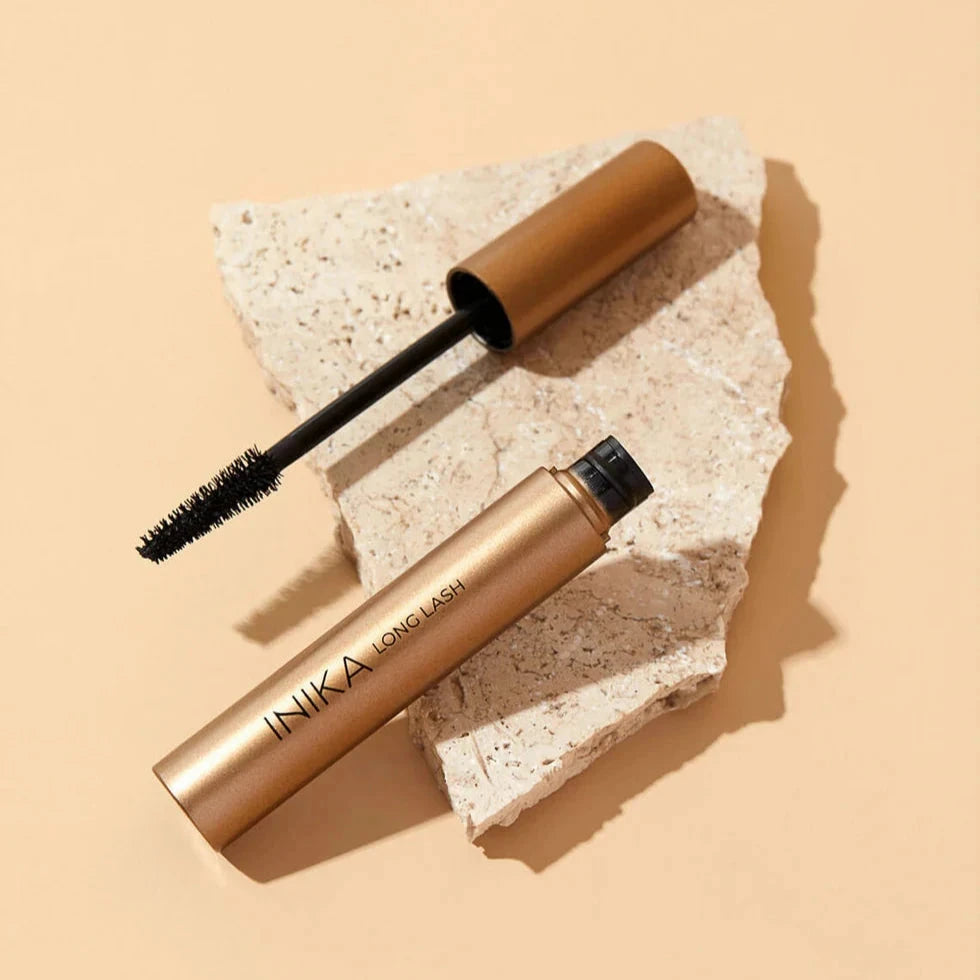







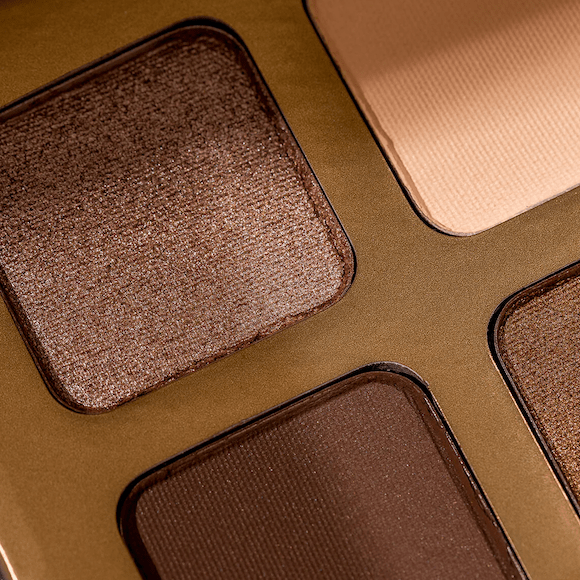


Hidden animal ingredients in makeup – what you should look out for
Want to avoid animal-derived ingredients in your makeup and switch to vegan cosmetics? A good decision—for you, the animals, and the planet. However, animal-derived ingredients in makeup are often not immediately recognizable. They're hidden behind chemical-sounding names or obscure abbreviations on the INCI (ingredients) list. We'll show you which animal-derived ingredients are commonly found in makeup products—and how to identify them.
1. Carmine (CI 75470, Cochineal, Carmine)
What is that?
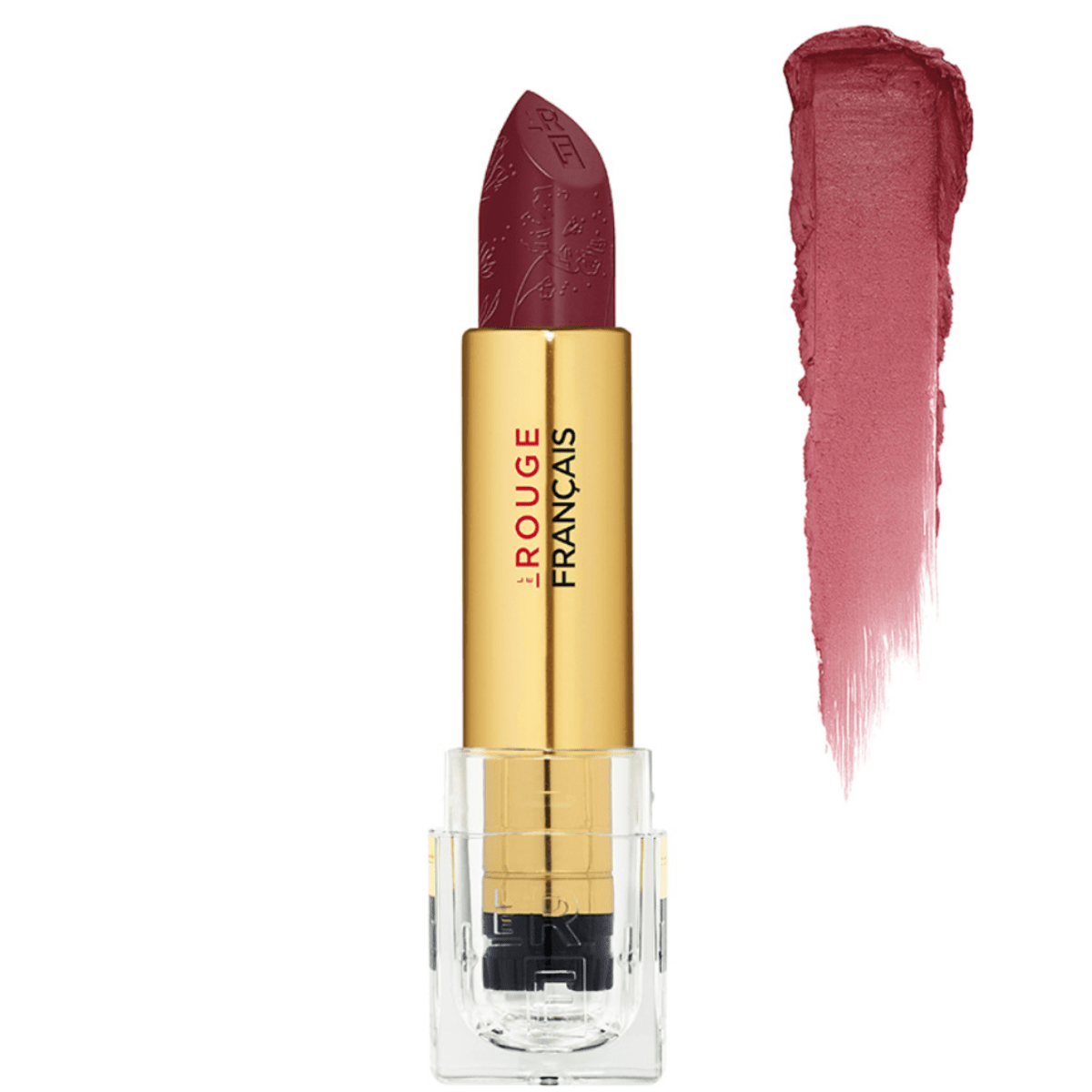
Carmine is a bright red pigment obtained from dried and ground cochineal insects. It is used primarily in lipsticks, blush, and eye shadow.
Not suitable for vegans because it involves killing insects – carmine is a dye obtained directly from animals.
2. Lanolin (wool wax)
What is that?
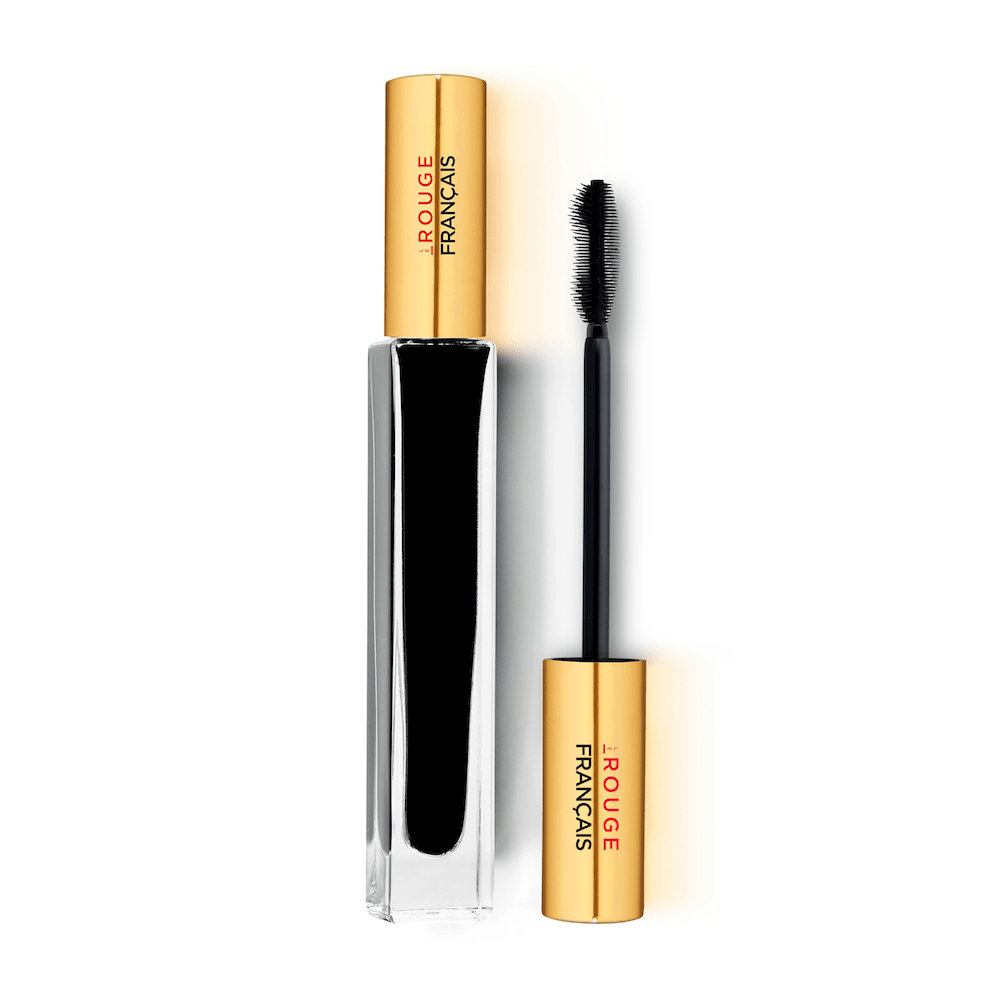
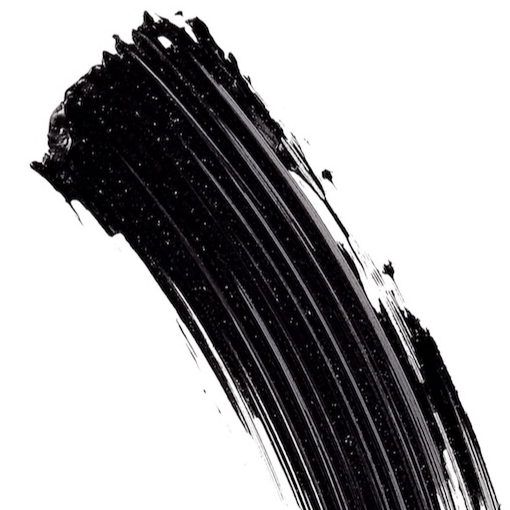
Lanolin is a fatty, waxy substance extracted from the secretion of sheep's sebaceous glands. It is primarily used in lip balms, foundations, and mascaras.
Not suitable for vegans because it is an animal by-product from sheep farming – even if the animal is not killed directly.
3. Guanine (Pearl Essence)
What is that?
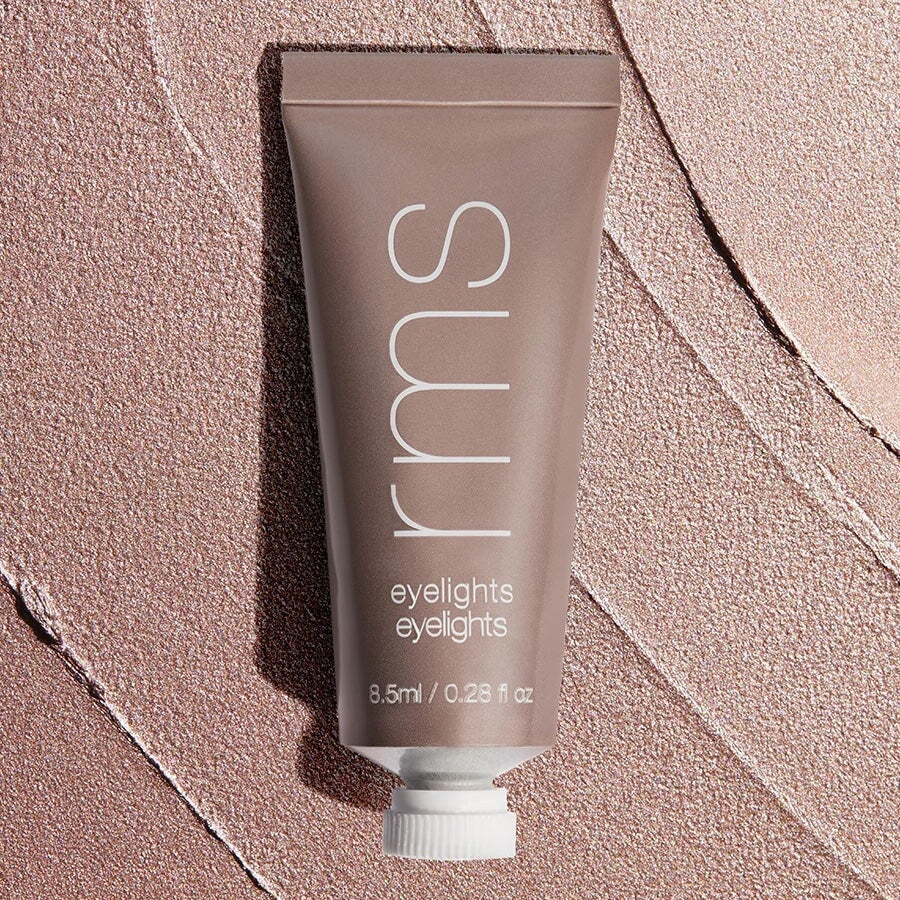
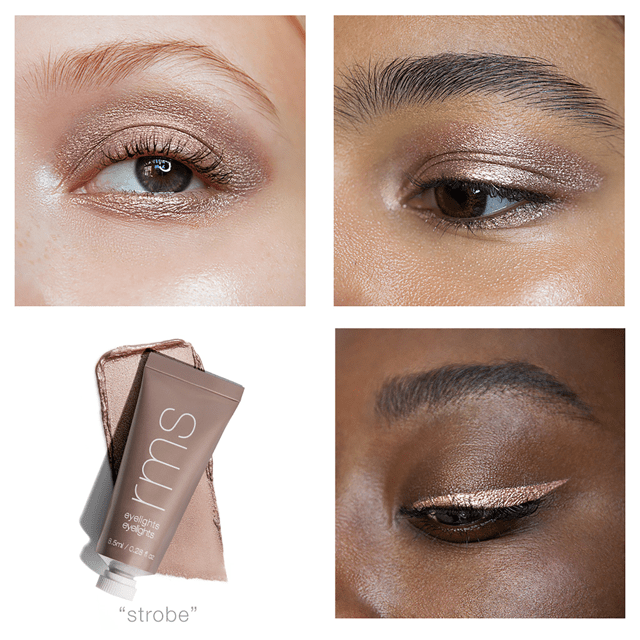
Guanine creates shimmering, pearlescent effects in eye shadows, highlighters, and lip gloss. It is extracted from fish scales.
Not suitable for vegans because it comes directly from animal tissue (fish scales).
4. Beeswax (Cera Alba) & Propolis
What is that?
Beeswax is extracted from honeybee honeycombs. It is often found in mascara, lip balm, eyeliner, and tinted moisturizers. Propolis is a resinous product that bees use to seal their hives.
Not suitable for vegans because they are animal products from beekeeping – and therefore not vegan.
5. Silk / Silk proteins (Silk, Serica, Hydrolyzed Silk)
What is that?
Silk proteins are extracted from silkworm cocoons. They are found in powder textures and skincare products with a glow effect.
Not suitable for vegans because the silkworms die during processing of the cocoons – silk is an animal product.
6. Collagen
What is that?
Collagen is a structural protein extracted from the skin, bones, or connective tissue of animals (usually cattle or pigs). It is often found in anti-aging products or primers.
Not suitable for vegans because it is derived exclusively from animal tissue.
7. Elastin, keratin & sea components (such as fish oil)
These animal proteins are also used in nourishing or structuring cosmetic formulations – especially in mascara, lip care and complexion products.
Not suitable for vegans because they come from animal sources such as skin, feathers, fish or horn.
Be careful with unclear names
Not all animal-derived ingredients are immediately recognizable. Terms like "Natural Moisturizing Factor," "Milk Protein," "Shellac," or "Ambergris" (spermace, from the digestive system of sperm whales) can also be of animal origin.
Our tip: Pay attention to certifications
If you want to be on the safe side, look for products with official seals like the Vegan Society Label , PETA-Approved Vegan , or NATRUE with vegan certification . These guarantee that no animal-derived ingredients are included and that the product was developed without animal testing.
Conclusion: Vegan makeup is the clear, conscious choice
Unfortunately, hidden animal ingredients are still found in many makeup products. By carefully checking the INCI list and choosing certified brands, you can make a choice that is ethical, animal-friendly, and kind to your skin. In our online shop, you'll find exclusively vegan makeup products, so you can be sure: Beauty is possible without animal suffering.

North Glow News
Stay up to date with our newsletter
Sign up for our newsletter and receive 10% off your next order. Simply confirm the verification email we send you after you register, and then you will receive the code.North Glow
Our blog
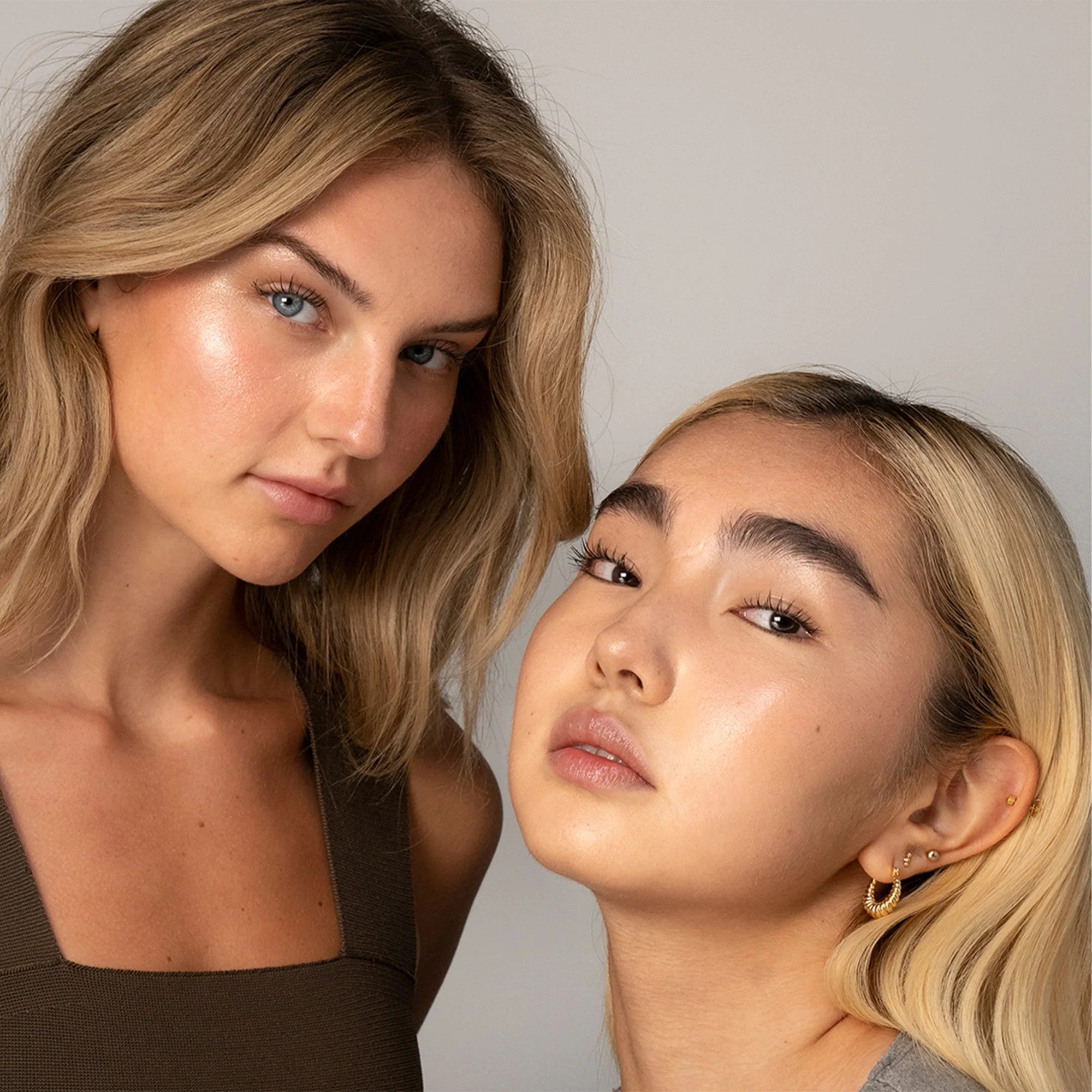
Glow Skin Trend 2026: Natural Glow Makeup mit Clean Beauty
Strahlende, gesunde Haut ohne Maskeneffekt – genau dafür steht der Glow Skin Trend 2026. Während stark deckende Foundations und konturierte Full-Glam-Looks immer mehr in den Hintergrund treten, rüc...
Read more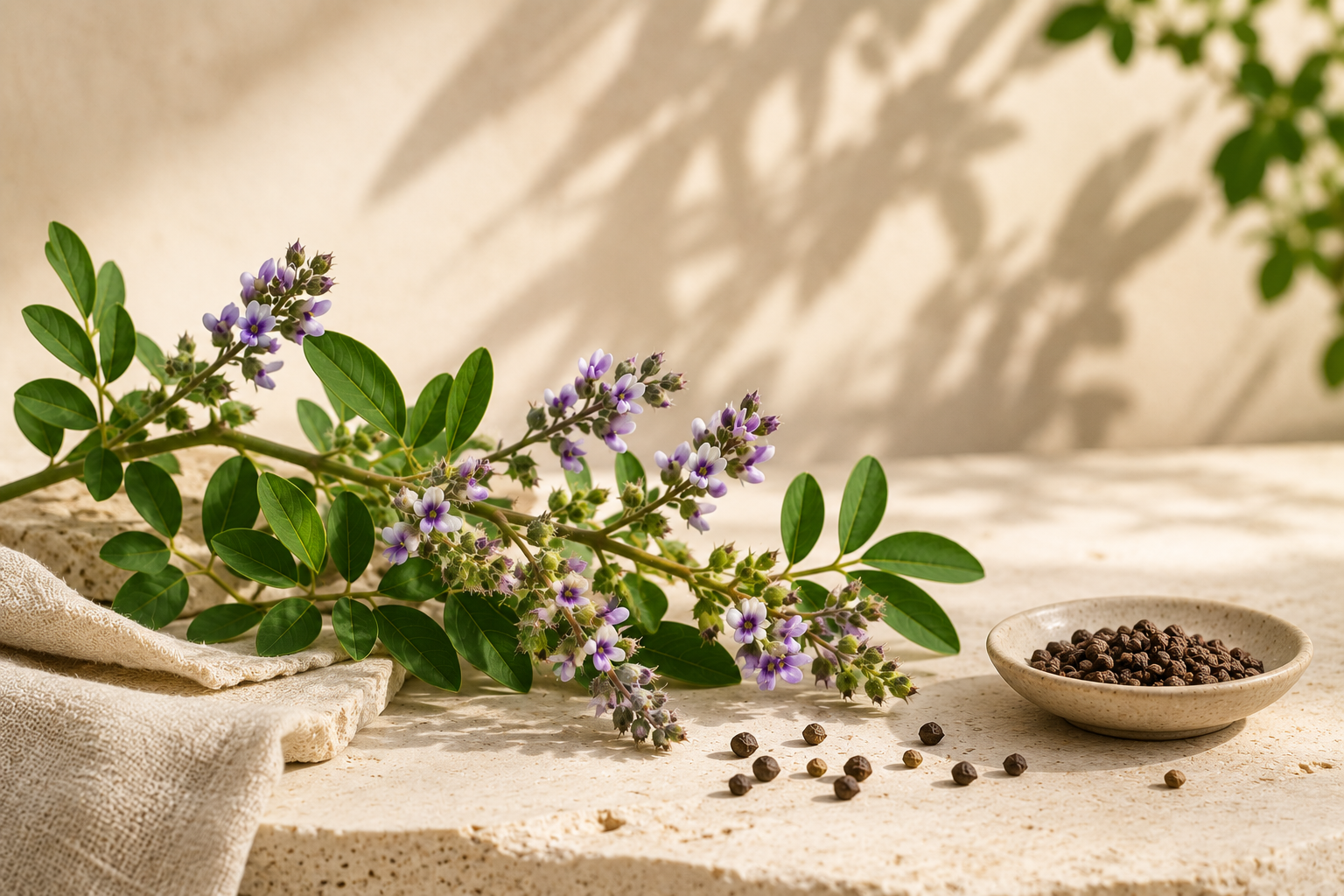
Bakuchiol: Wirkung, Anwendung und Vorteile für die Haut
Bakuchiol hat sich als beliebter Wirkstoff für alle etabliert, die sich eine wirksame und gleichzeitig sanfte Hautpflege wünschen. In diesem Guide erfährst du, was Bakuchiol ist, wie es sich von Re...
Read more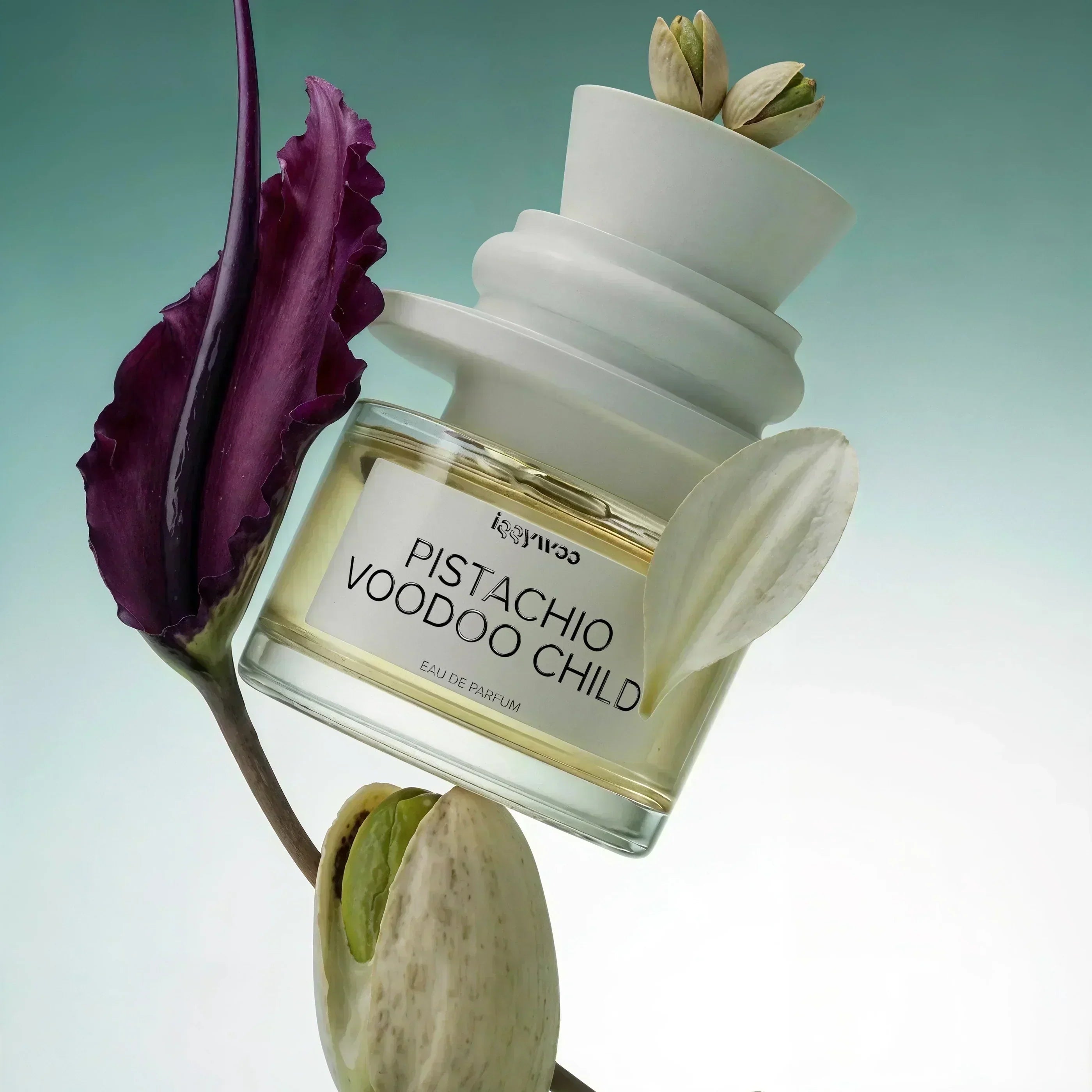
Clean Fragrance erklärt: Was moderne Düfte heute anders machen
Was genau steckt eigentlich in deinem Parfum?Viele Düfte wirken selbstverständlich – doch ihre Zusammensetzung bleibt oft im Verborgenen. Erfahre, was Clean Fragrance bedeutet, wie moderne Düfte fo...
Read more