

Retinol in natural cosmetics
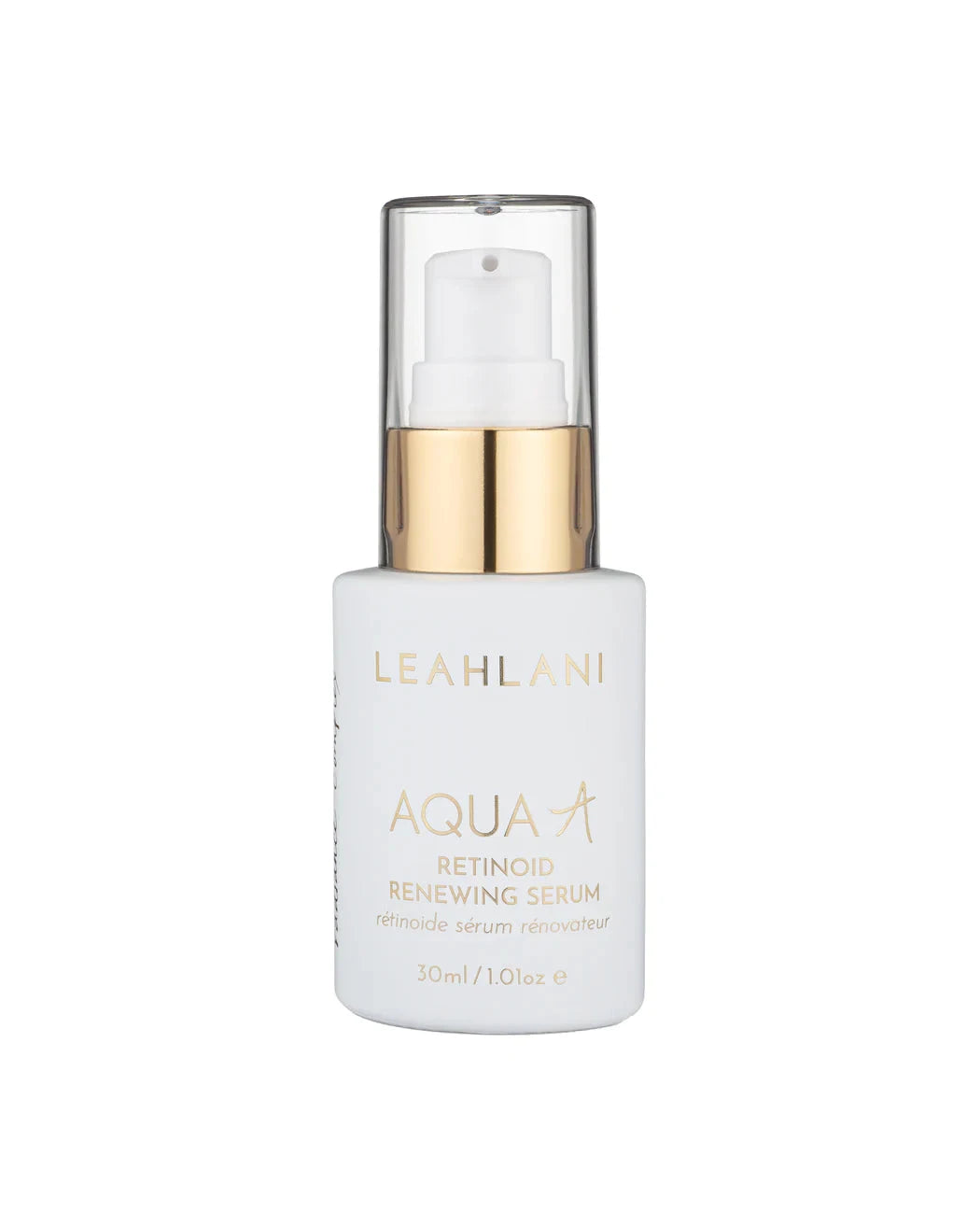
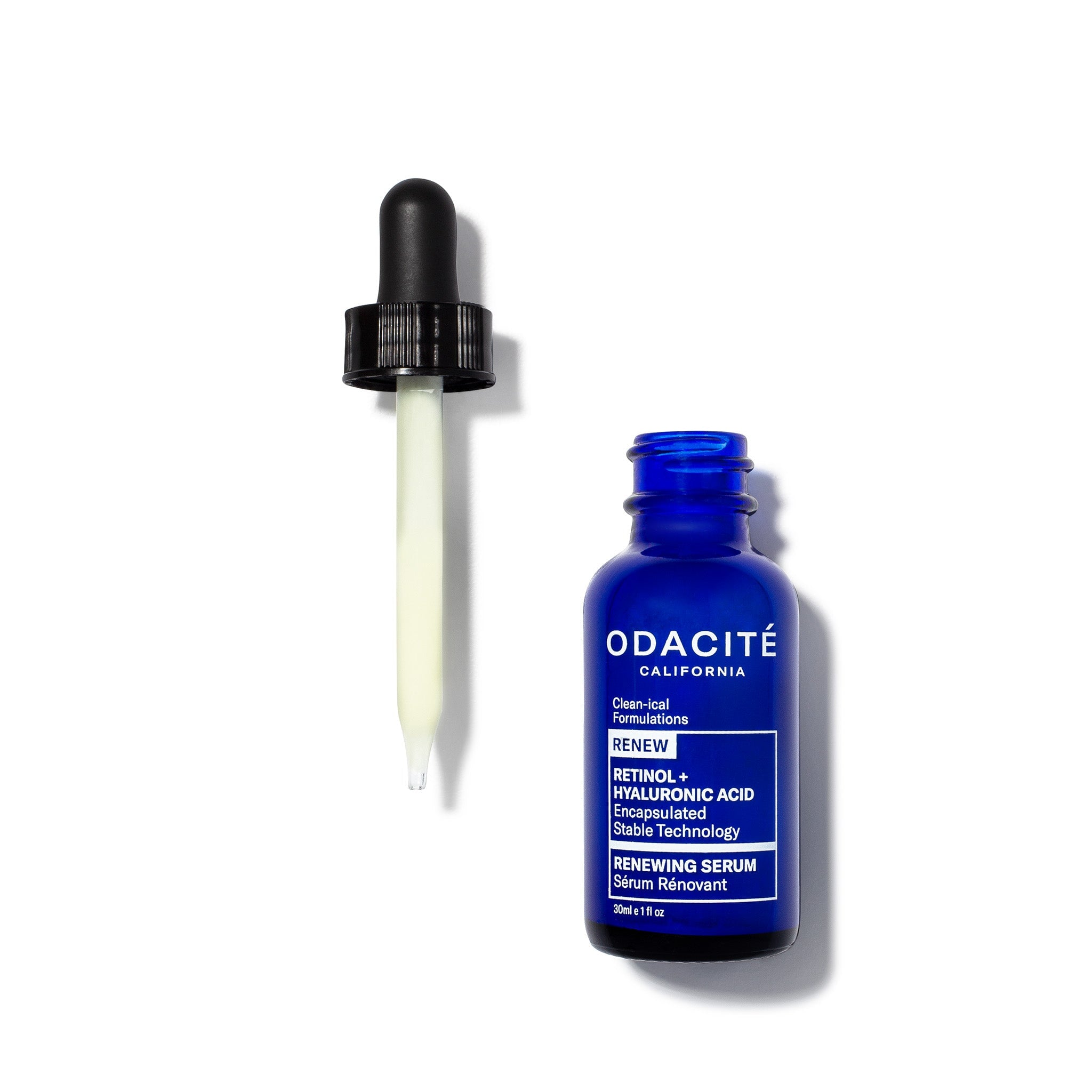
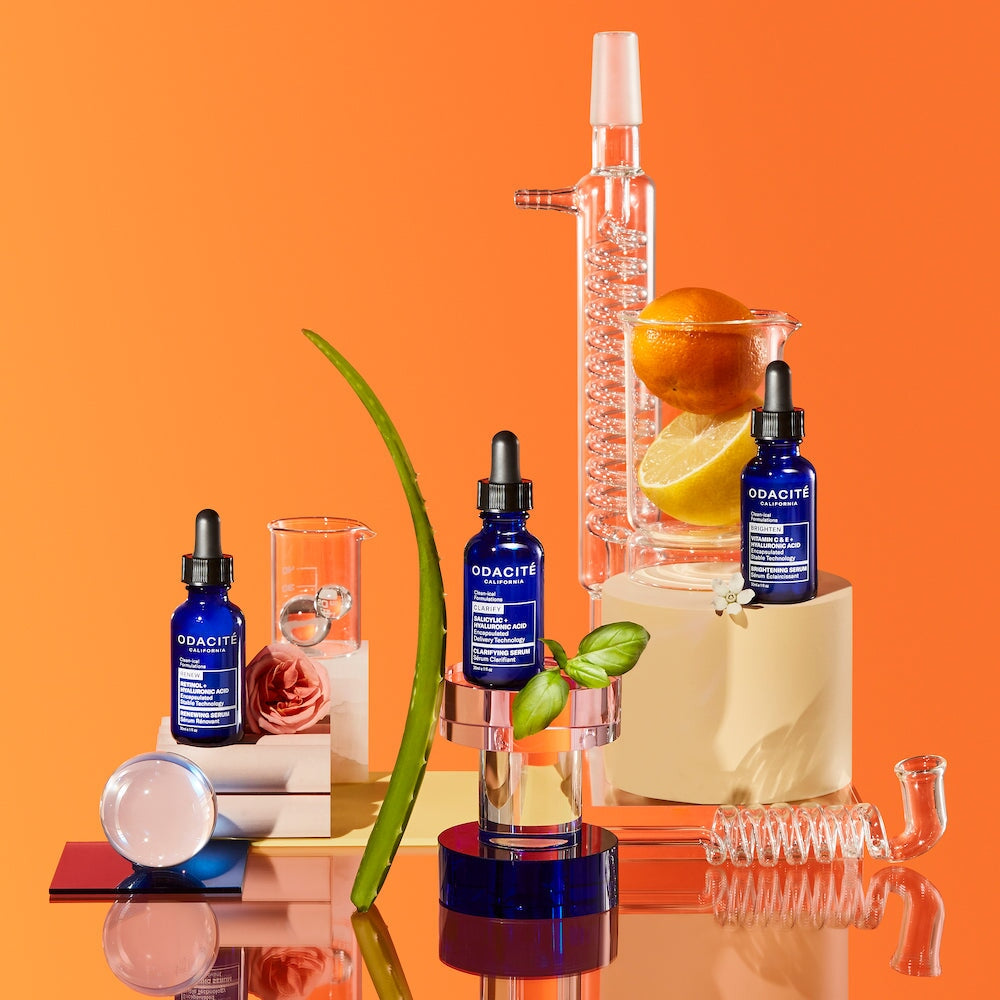
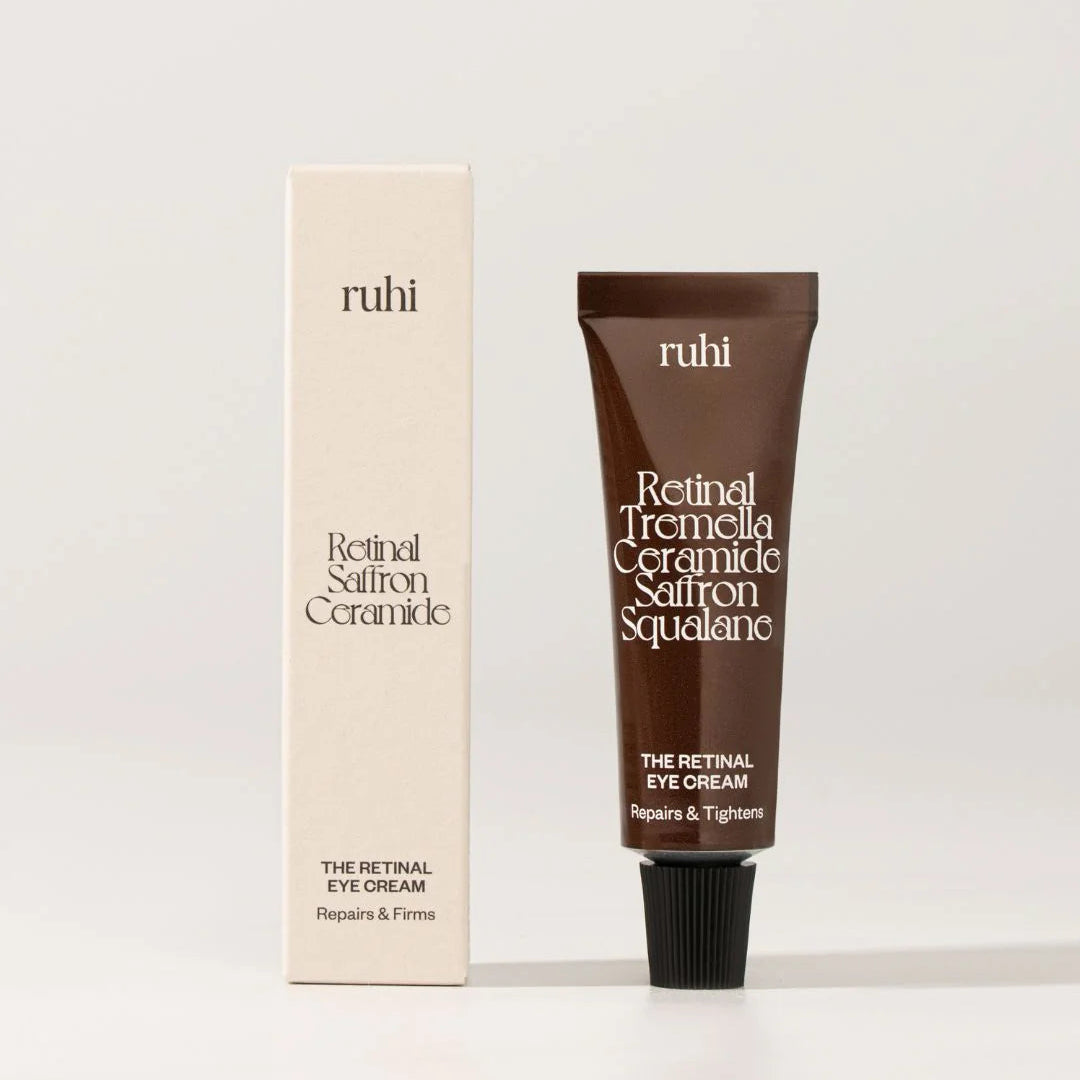
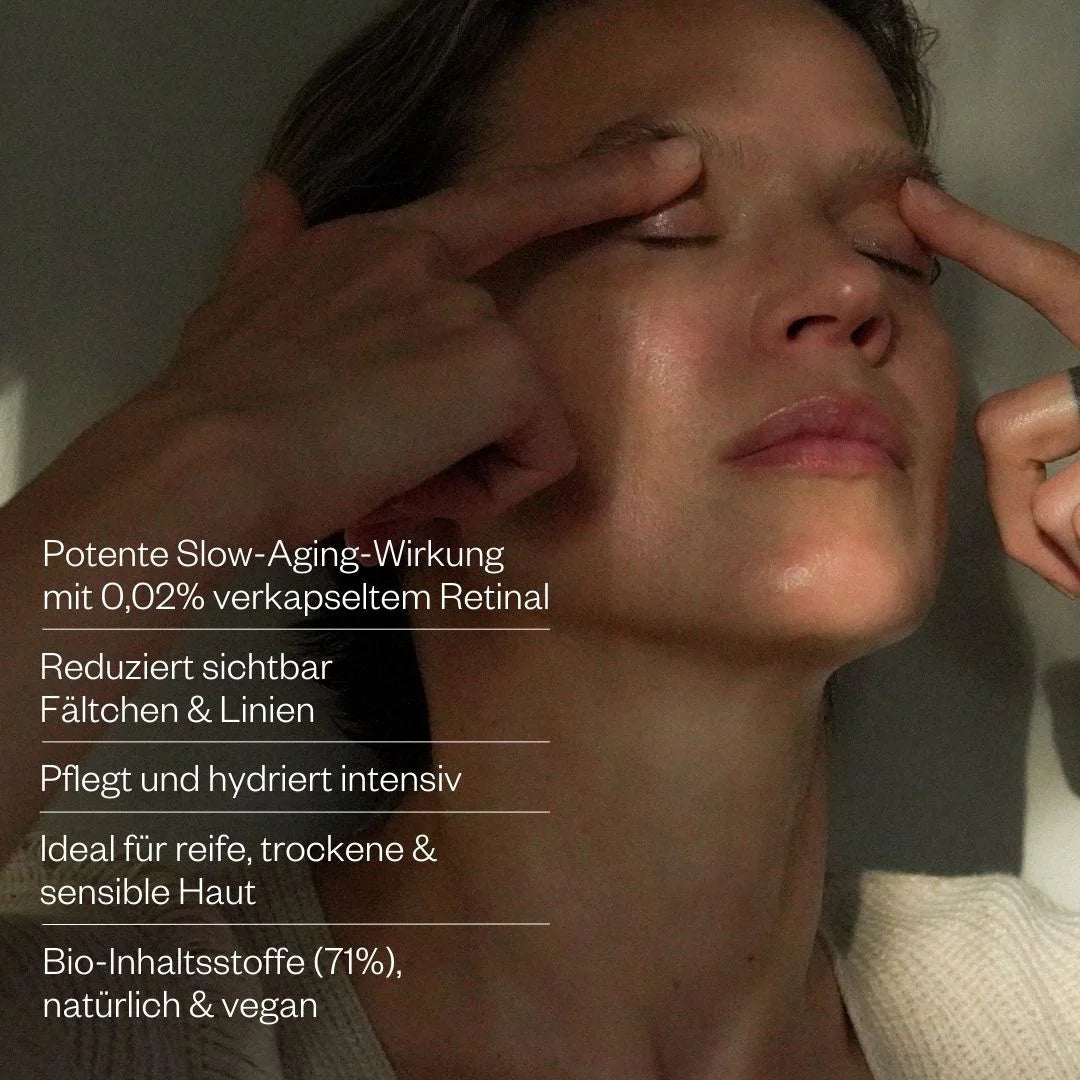
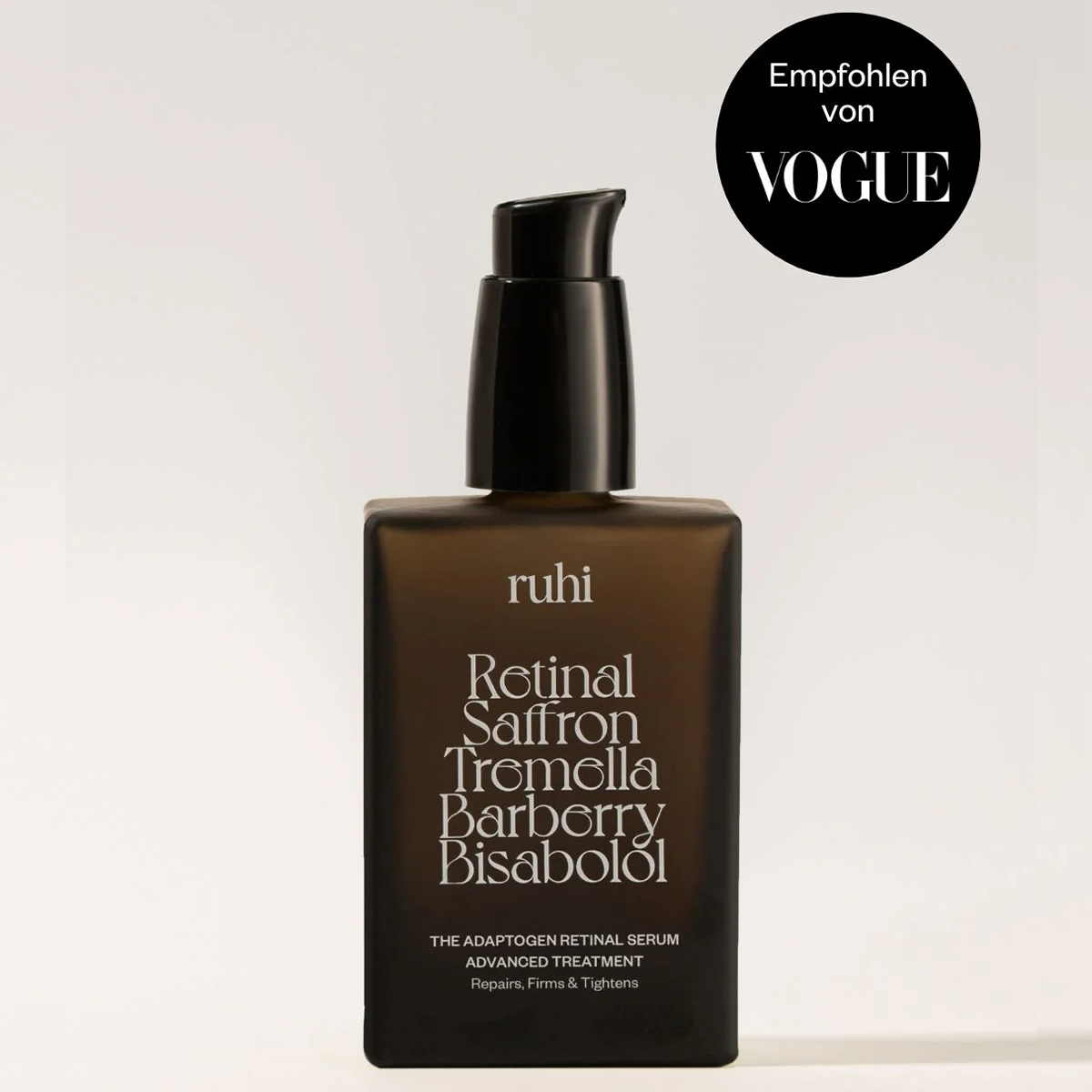
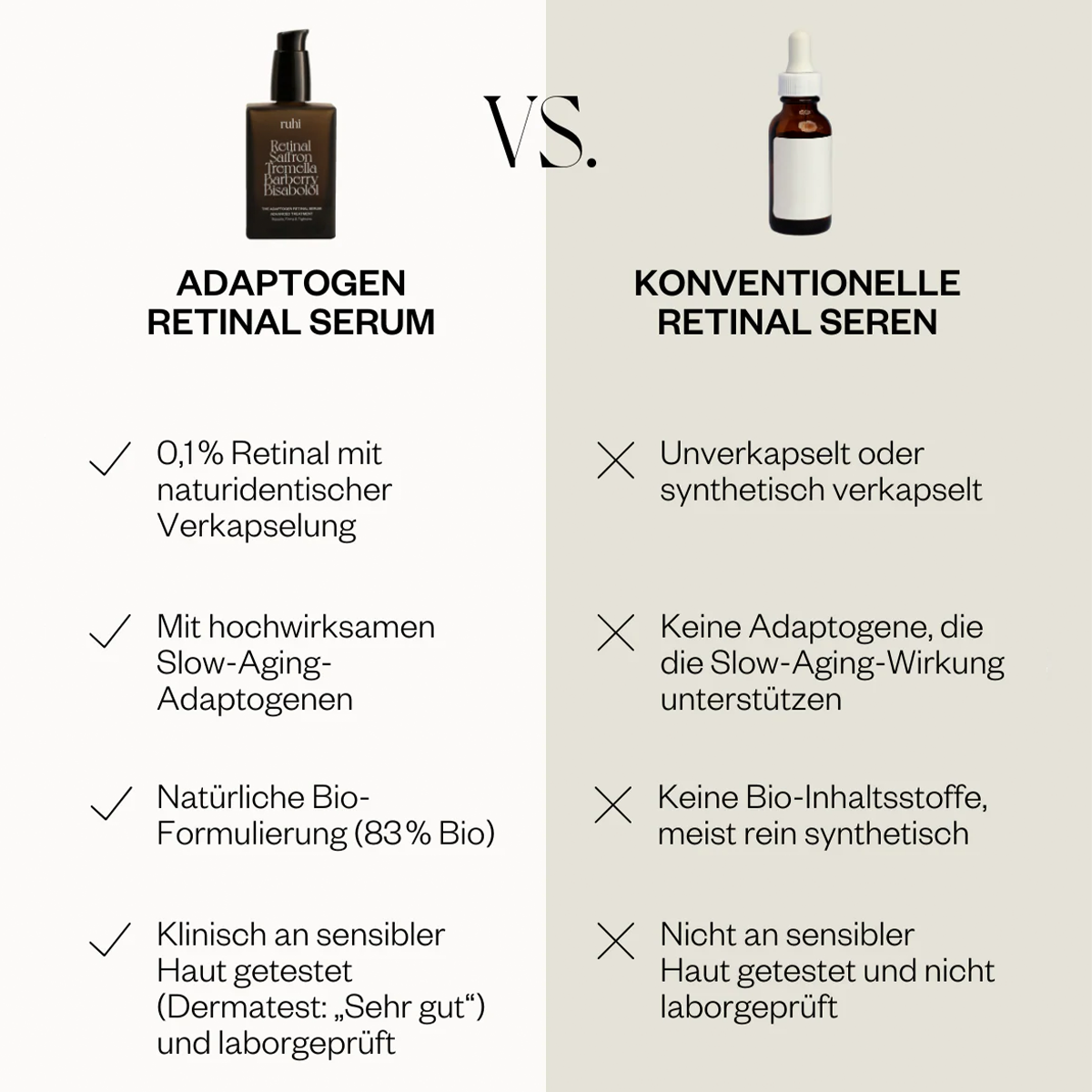
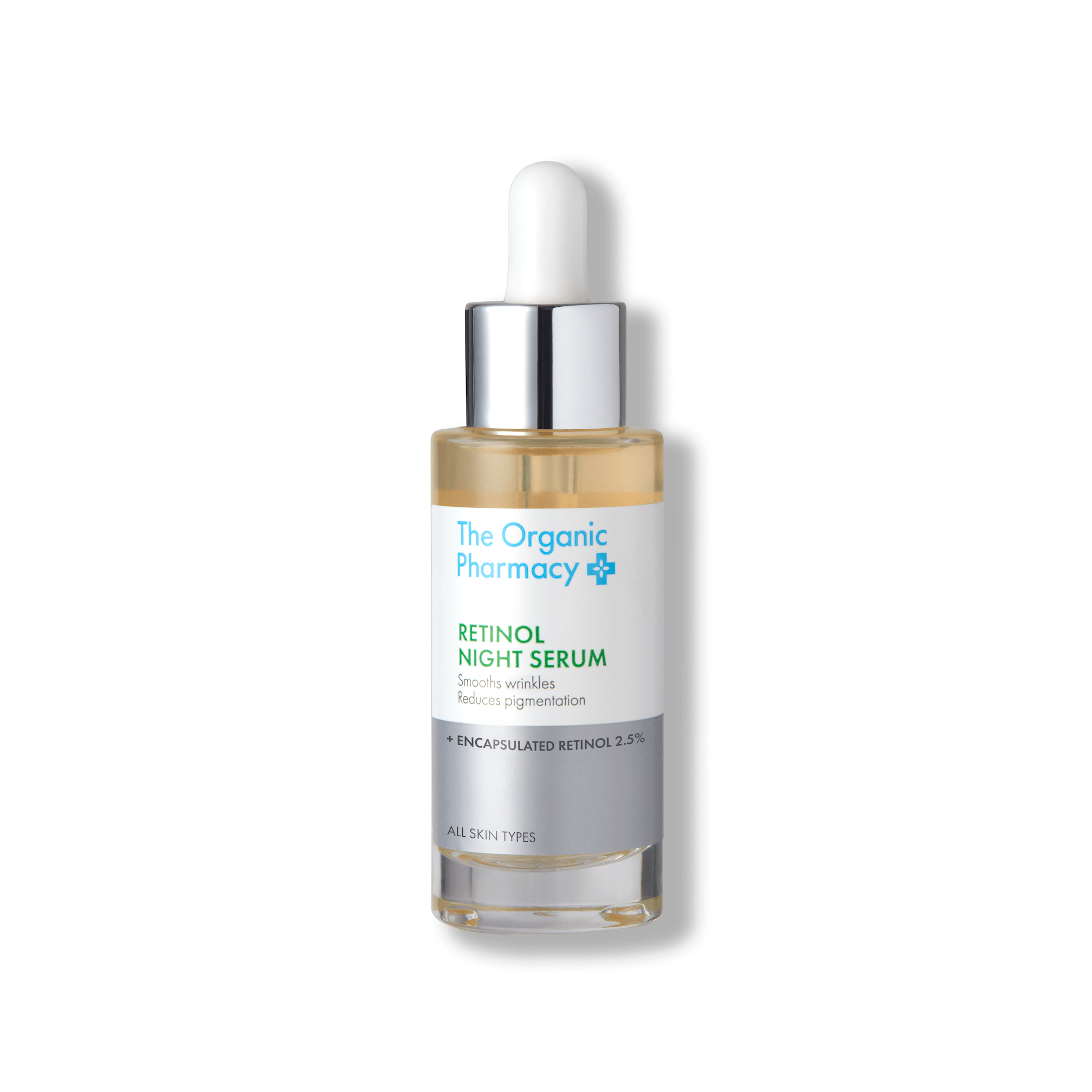
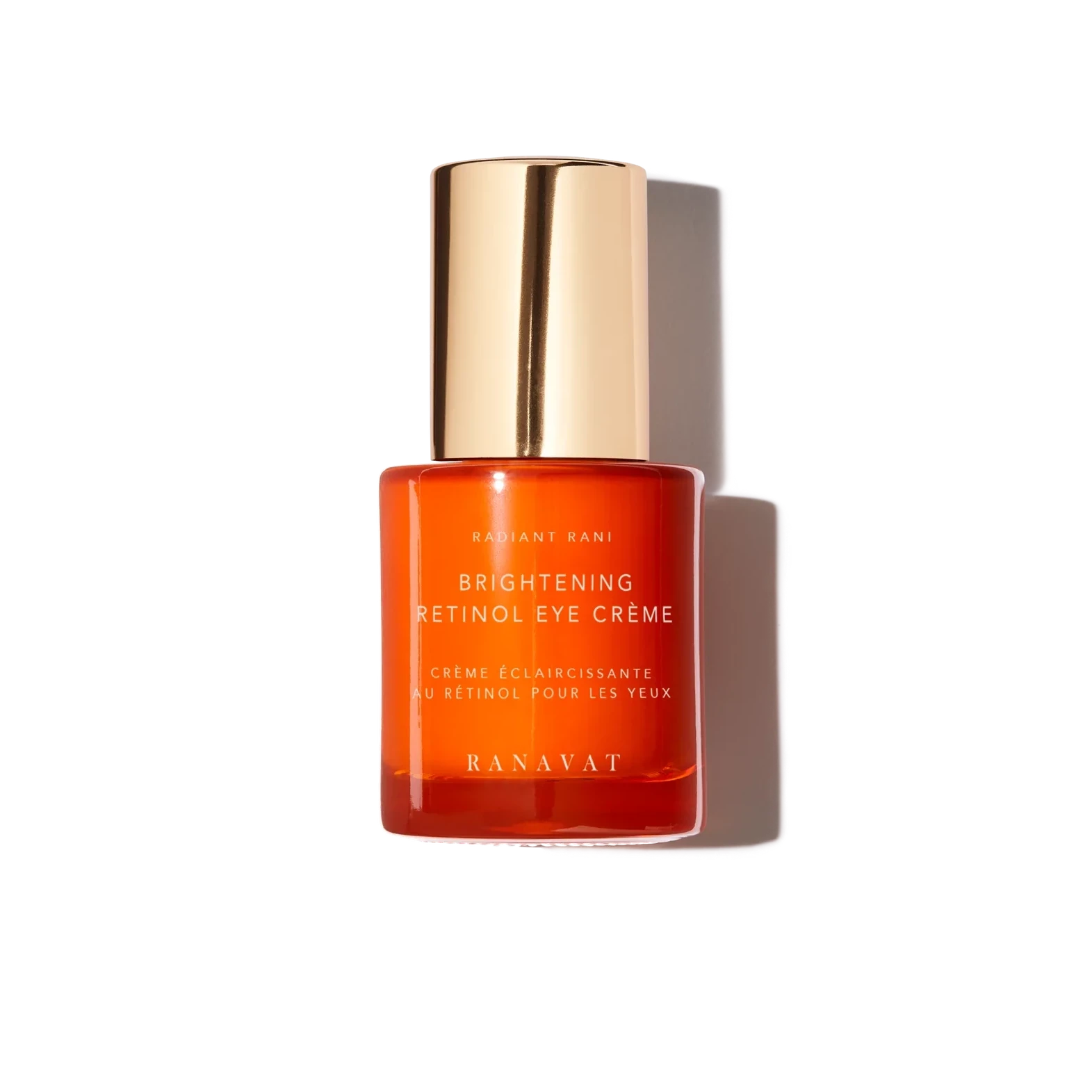
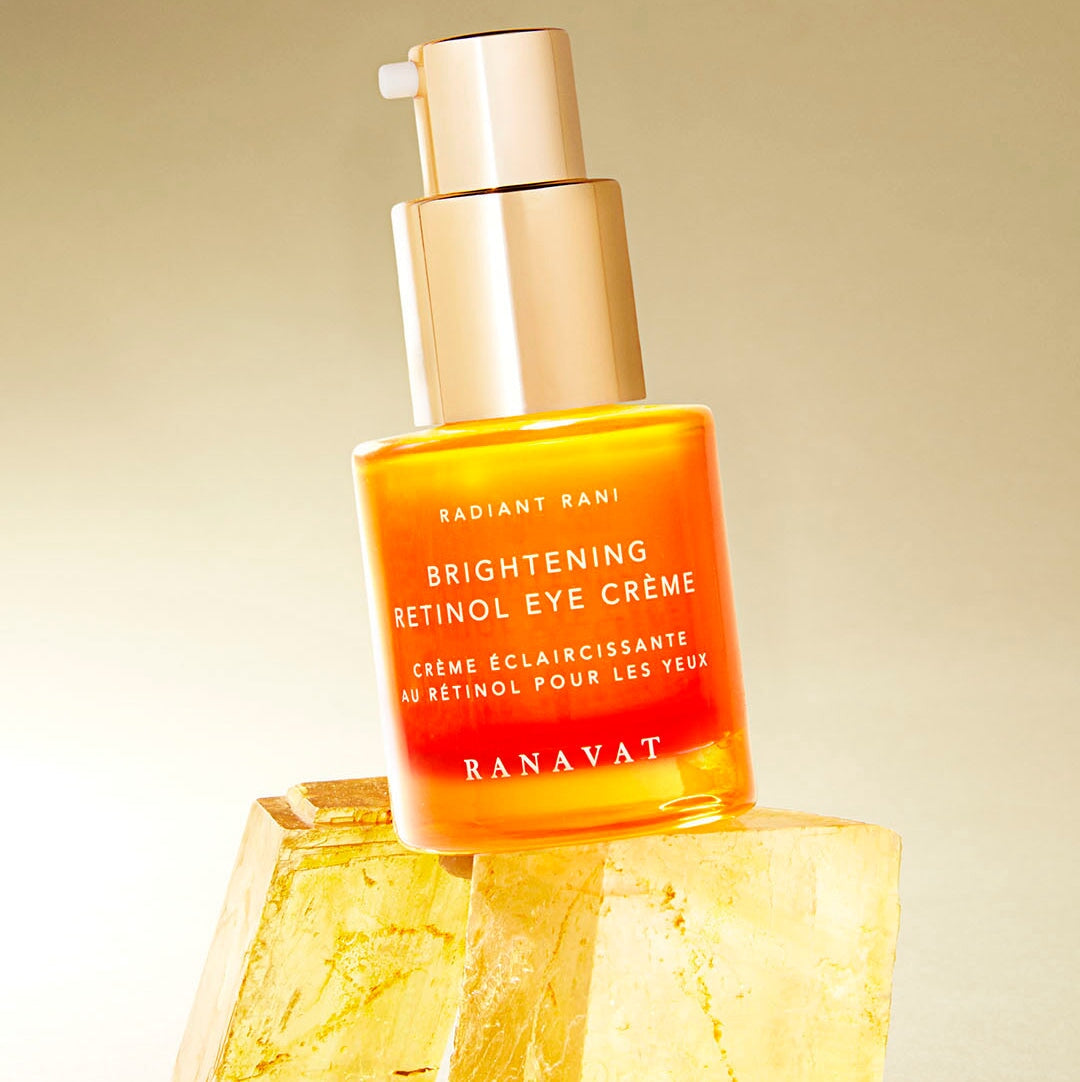
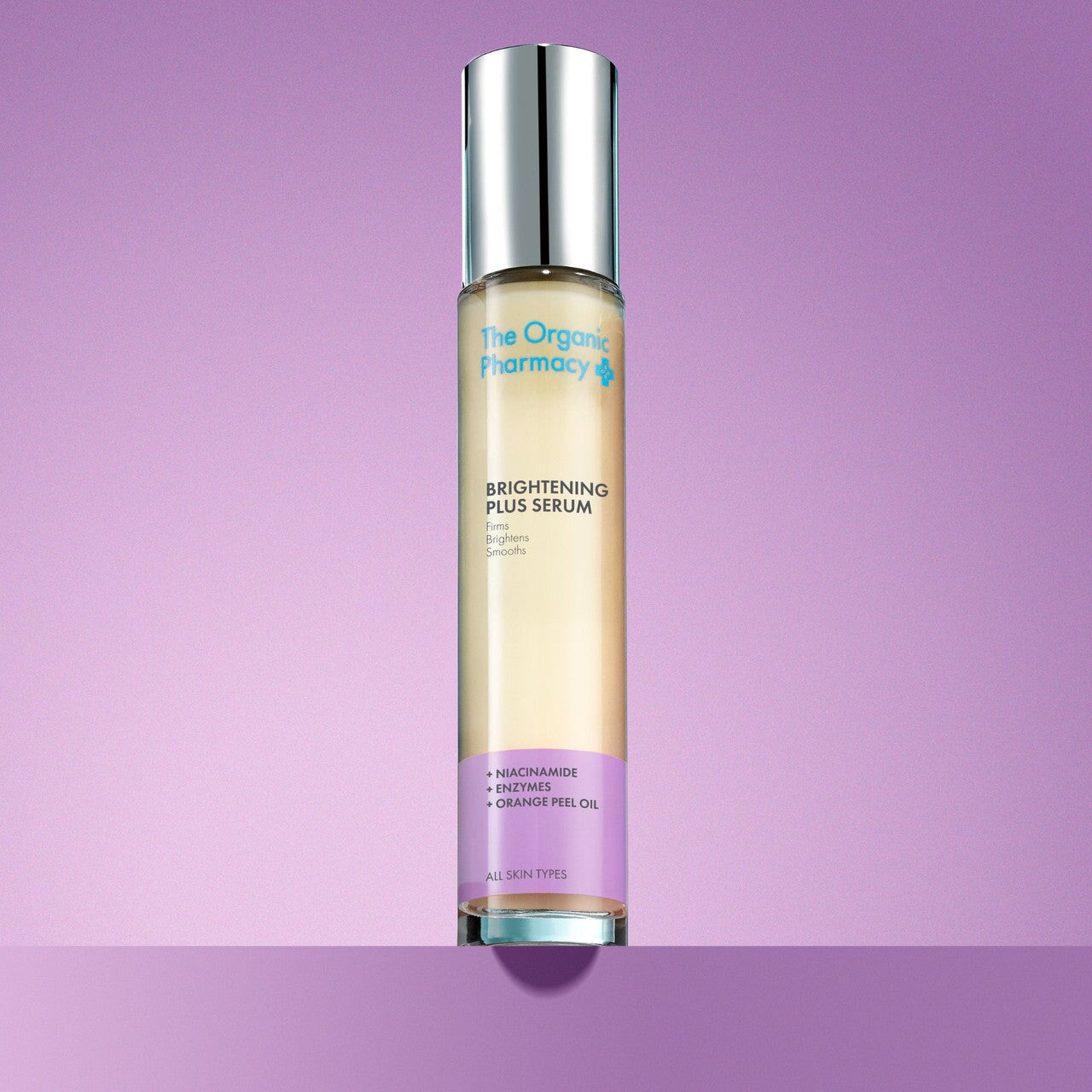
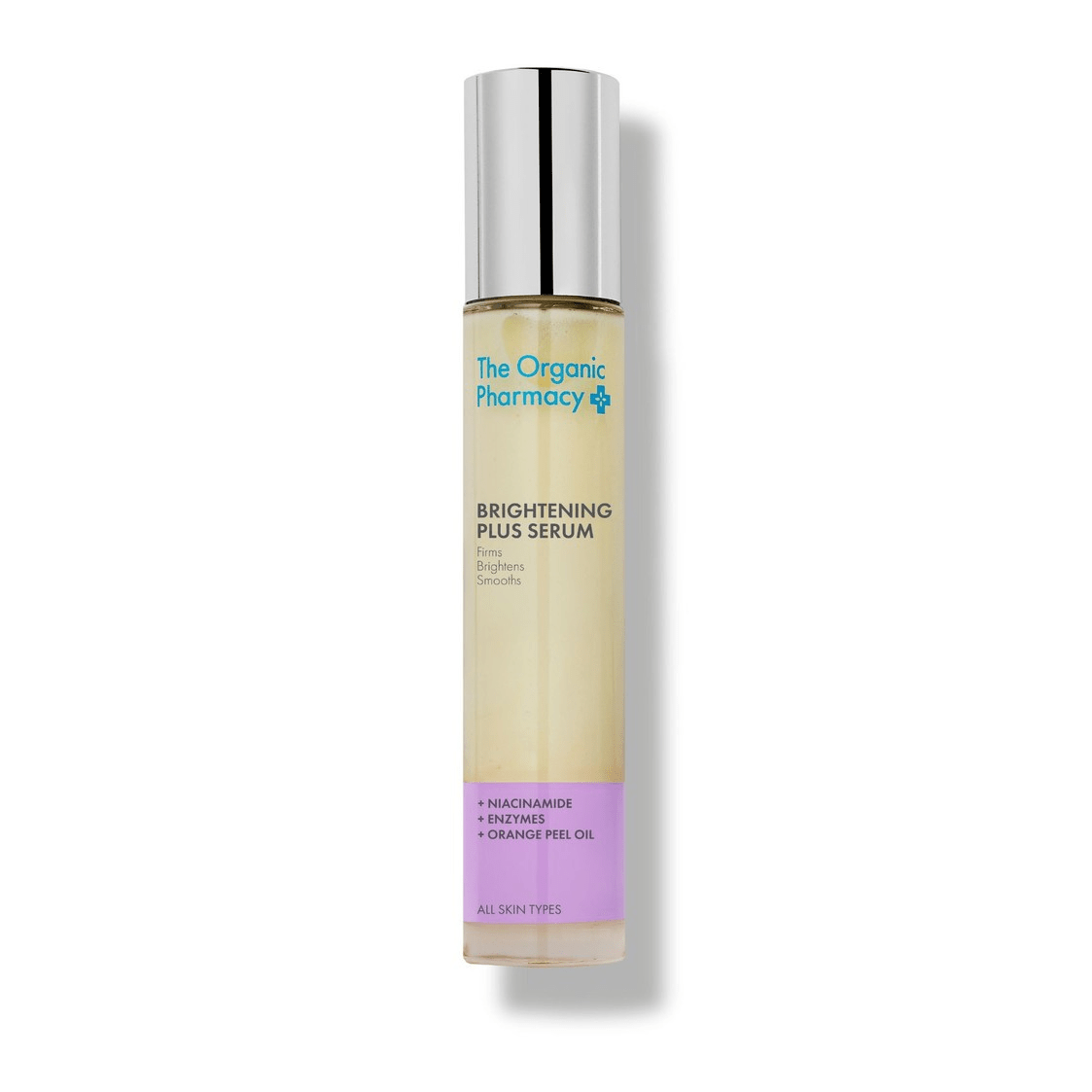


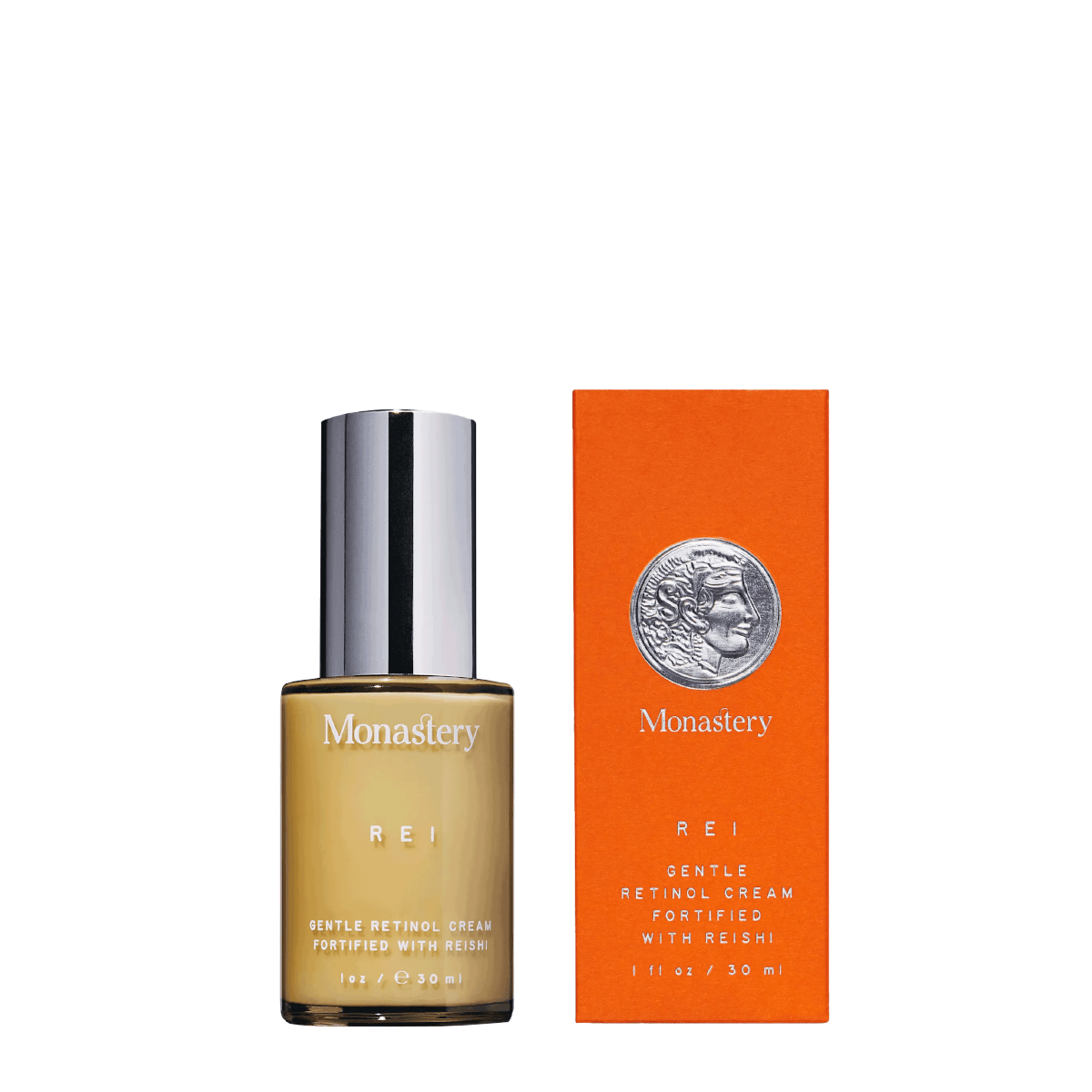
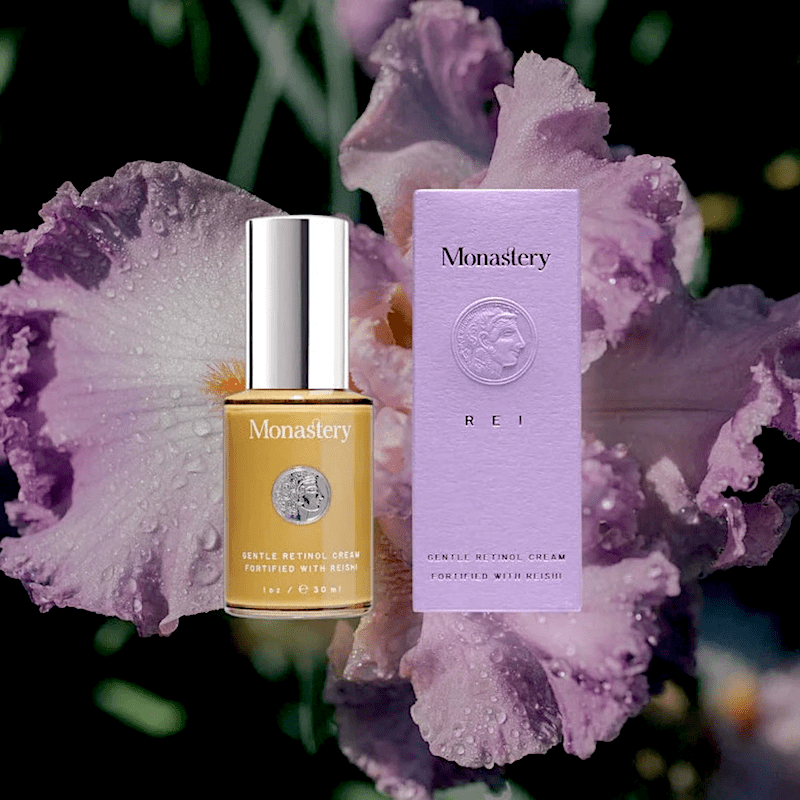
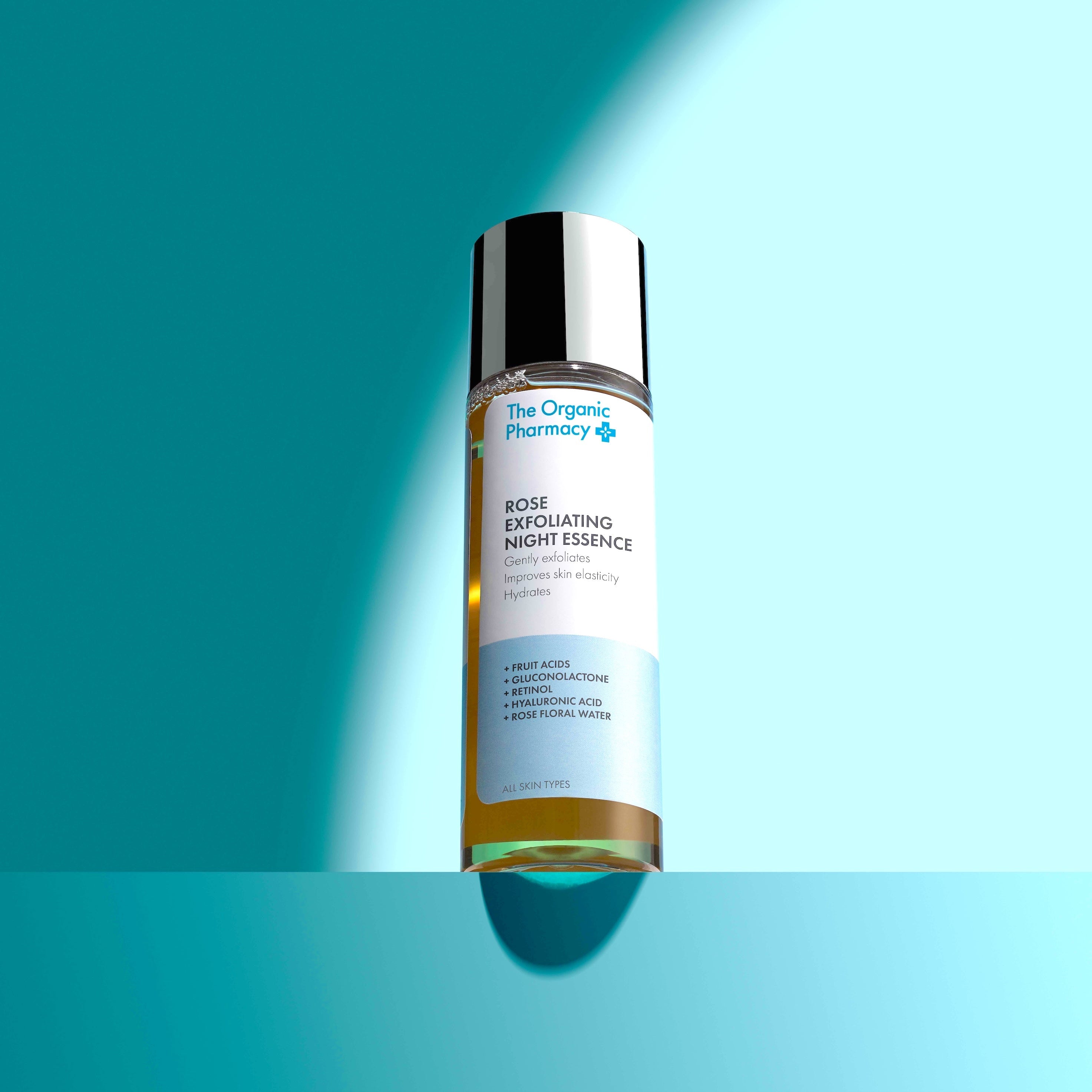
In addition to the classic retinol, there are other forms of the natural active ingredient. Retinal , also called retinaldehyde. Retinal is considered more potent and less irritating. And there are Tretinoin is the active ingredient in retinoic acid. In the skin, retinol esters are converted into retinol. Retinol then forms retinal and finally tretinoin.
There are different forms of retinol. The main variants are
Retinol Esters - can be found on the Inci list Retinyl Linoleate and Retinyl Palmitate . These are precursors to retinol. Because the skin must first convert them into retinol, they are less potent in their effects, but also have fewer side effects. Should you Retinol If linoleate or palmitate are found in the ingredients, these are also considered retinol esters, but this is a misnomer.
Retinol - Pure retinol must be processed in the skin in two steps: first into retinal (retinaldehyde) and then into retinoic acid (tretinoin) to exert its effect in the cells. Pure retinol is generally used in cosmetic products in the EU at a maximum strength of 1%.
Retinal - You'll also find retinal listed as retinaldehyde on the INCI list. As mentioned in the previous point, this is a more advanced form of retinol. Interestingly, retinal has been observed to have a stronger effect while causing less irritation. On average, retinal is ten times more effective than retinol.
Tretinoin is the second, metabolized form of retinol and thus the active form of retinoic acid. It is also called vitamin A acid. Tretinoin is extremely irritating to the skin, which is why you won't find pure tretinoin in cosmetic products. Only a few prescription acne medications contain tretinoin.
Retinyl ester – is one of the newest forms of retinol. You'll find it on the INCI list as Retinyl Retinoate, Sodium Retinoyl Hyaluronate, Granactive Retinol, or Hydroxypinacolone Retinoate. These are conjugates (changes made by combining them with other substances/molecules) of retinoic acid, for example, with fatty acids. The saturated fatty acids palmitic acid and stearic acid are predominantly used for the compound, and in smaller quantities, the unsaturated fatty acids oleic acid, linoleic acid, and linolenic acid are also used. Another popular form is the combination of retinoic acid with Hyaluronic acid (INCI Sodium Retinoyl Hyaluronate). In this form, retinol is less irritating and is also combined with the corresponding care effect of the additional ingredient.
Caution when using retinol
The desired effect of retinol and its variants—boosting collagen synthesis on the one hand and shedding old, dead cells on the surface on the other—is accompanied by an increased risk of sunburn. Peelings, both mechanical and chemical, have a similar effect. This is because the dead cell layers on the skin's surface also provide natural sun protection for the skin. Once these are shed, healthy and fresh cells appear on our skin's surface, making our complexion appear noticeably smoother, but with them, our skin's natural sun protection also disappears. Therefore, we recommend that you Especially when using products containing retinol, it is important to use a sufficient sun protection factor for your skin and to renew it regularly.

North Glow News
Stay up to date with our newsletter
Sign up for our newsletter and receive 10% off your next order. Simply confirm the verification email we send you after you register, and then you will receive the code.North Glow
Our blog
Glow Skin Trend 2026: Natural Glow Makeup mit Clean Beauty
Strahlende, gesunde Haut ohne Maskeneffekt – genau dafür steht der Glow Skin Trend 2026. Während stark deckende Foundations und konturierte Full-Glam-Looks immer mehr in den Hintergrund treten, rüc...
Read more
Bakuchiol: Wirkung, Anwendung und Vorteile für die Haut
Bakuchiol hat sich als beliebter Wirkstoff für alle etabliert, die sich eine wirksame und gleichzeitig sanfte Hautpflege wünschen. In diesem Guide erfährst du, was Bakuchiol ist, wie es sich von Re...
Read more
Clean Fragrance erklärt: Was moderne Düfte heute anders machen
Was genau steckt eigentlich in deinem Parfum?Viele Düfte wirken selbstverständlich – doch ihre Zusammensetzung bleibt oft im Verborgenen. Erfahre, was Clean Fragrance bedeutet, wie moderne Düfte fo...
Read more