
Ingredients
alcohol
It can replace preservatives because, at a certain concentration, it has an antimicrobial effect without triggering allergies. (See www.cosmacon.de)
Cetearyl alcohol is a fatty alcohol derived from vegetable oils. It has emulsifying, emulsion-stabilizing, opacifying, viscosity-regulating, and softening properties. (See www.cosmeticanalysis.com)
Fatty alcohols are used to improve or solidify creams, have a skin-smoothing effect, and are non-greasy; (See Glauninger, Angelika. Cosmetics: Ingredients and Recipes)
Ascorbic acid
Inhibits reactions promoted by oxygen, prevents oxidation and rancidity, stabilizes the pH value of cosmetic products, strengthens the immune system, smoothes the skin, protects against free radicals, stimulates cell renewal, stimulates wound healing, strengthens connective tissue (see www.cosmeticanalysis.com )
Bakuchiol
Often described as the "plant-derived retinol," several studies have actually shown that its effectiveness in treating certain skin conditions is almost identical. Additionally, bakuchiol offers several other benefits. However: Retinol and Bakuchiol are two fundamentally different substances with different molecular properties. However, in cosmetic applications, they behave similarly.
Behen nut oil, Moringa (Moringa pterygosperma seed oil)
Moringa is by far the most nutrient-rich plant known to science. Rich in antioxidants, it not only cleanses but also closes pores, leaving the skin feeling very soft and smooth. (See www.cosmacon.de)
Succinic acid (diheptyl succinate)
The most important effect of this active ingredient is that it fills the cells with energy, making the skin younger and more elastic. Another important point is that succinic acid in anti-aging products has hardly any side effects, as it can also be synthesized by our own bodies.
In cosmetics, succinic acid esters (succinates) are used as emulsifiers and emollients (e.g., diethylhexyl succinate, diheptyl succinate, etc.). (See www.cosmacon.de )
Neem leaf extract (Melia azadirachta leaf extract)
Neem has disinfectant, anti-inflammatory, and immune system-boosting properties (cf. Glauninger, Angelika. Cosmetics: Ingredients and Recipes
Flower liquid of the Damask rose (Rosa damascena (rose) flower water)
Naturally rich in antioxidants and excellent at reducing skin redness.
Capryloyl glycerin/sebacic acid copolymer
A copolymer of capryloyl glycerin and sebacic acid monomers, film-forming, skin-caring, skin-protecting.
This ingredient is often produced chemically. Of course, it can also be derived from oils. An example of a natural composition would be as follows:
Capryloyl = caprylic acid from coconut; glycerin = a byproduct of fatty acid production from coconut; sebacic acid = from castor oil. The reaction is made from 100% renewable resources and requires no solvents or petrochemicals. The only byproduct of the reaction is water, and the process is highly energy-efficient. (See www.newdirections.com)
Cetearyl alcohol
A mixture of cetyl alcohol (hexadecanol) and stearyl alcohol (octadecanol). These are fatty alcohols, as the two components are often produced by reducing the corresponding fatty acids. However, cetyl alcohol (hexadecanol) and stearyl alcohol (octadecanol) can also be obtained, for example, by hydrolysis of waxes. Cetearyl alcohol is very well tolerated, non-toxic, and readily biodegradable.
It supports emulsion formation and improves product stability. It is emulsifying, meaning it enables the formation of finely dispersed mixtures of oil and water, making the skin smooth and supple. (See www.haut.de)
Cetyl Palmitate
Cetyl Palmitate (also known as “swalnut substitute”) is a moisturizing consistency enhancer that supports and improves emulsion formation.
Cetyl palmitate is obtained by the esterification of fatty acids and fatty alcohols . Only plant-based raw materials are used.
Creams made with spermaceti substitutes are very compact and leave a pleasant feeling on the skin. People who are allergic to beeswax, in particular, find cetyl alcohol and spermaceti substitutes a good alternative. (See www.alexmo-cosmetics.de )
Rice germ oil extract (Oryza sativa (rice) seed extract)
Helps lighten and even improve skin tone. It is a clear, yellow-brown oil whose fatty acid composition includes high levels of linoleic acid and palmitic acid. It contains a high amount of vitamin E and particularly high concentrations of oryzanol.
Rice germ oil acts as a natural sunscreen, supporting the SPF applied, is a moisturizer, and is excellent for soothing sensitive skin. (See www.alexmo-cosmetics.de
Glycerin
Glycerin is a polyhydric alcohol and a natural component of fats and oils, as well as of human metabolism, but is predominantly produced synthetically. Glycerol, usually available as an 86% aqueous solution, has a disinfectant effect and is one of the oldest skin moisturizers. Pure glycerol irritates the skin, and even an addition of more than 30% dries it out, as glycerol, like all polyalcohols, is water-attracting and draws moisture from the skin in dry ambient air. (See Glauninger, Angelika. Cosmetics: Ingredients and Recipes (German Edition))
Glyceryl stearate citrate, stearic acid citric acid glycerol ester (Glyceryl stearate citrate)
Emulsifier made from stearic acid, monoester with glycerin . Emulsifies, keeps the skin smooth and supple. (See www.haut.de)
Glyceryl caprylate has a biologically stabilizing, moisture-regulating, and lipid-replenishing effect. Furthermore, it is extremely skin-compatible. It is particularly suitable for stabilizing surfactants and oil-in-water emulsions. (See www.cosmacon.de)
Glyceryl Caprylate(Glyceryl Caprylate)
Due to its structure , a monoester of glycerin with caprylic acid is primarily used to stabilize oil-in-water emulsions and surfactants. The ingredient has a moisturizing and moisture-regulating effect and also exhibits strong antibacterial and yeast activity. This antimicrobial activity makes it possible to avoid the use of traditional preservatives. (See www.alexmo-cosmetics.de)
Pomegranate oil
The fats contained in pomegranate oil help moisturize skin and hair, making them softer and more supple. It's also packed with natural antioxidants that protect the skin from environmental stressors. The oil penetrates deep into the skin, providing long-lasting moisture and can revitalize dull and dry skin and hair.
Coconut extract (Cocos nucifera (coconut) extract)
As a multifunctional ingredient, coconut extract gives skin and hair a silky texture without the feeling of a greasy residue. Coconut extract seals in moisture and delivers important macronutrients. It strengthens the barrier function and reduces transepidermal water loss. Its intensive moisturizing properties give skin and hair a soft, moisturized surface. (See www.alexmo-cosmetics.de)
Myrothamnus flabellifolia extract (Myrothamnus flabellifolia Leaf Extract)
This is the extract of the leaves of Myrothamnus flabellifolia, Myrothamnus. The extract nourishes the skin (see www.cosmeticanalysis.com ) and makes it smooth and supple (see www.haut.de).
Neroli oil
Neroli oil has strong antibacterial and antifungal properties. Therefore, it is also excellent for skin irritations caused by bacteria, such as acne. Neroli oil can also reduce inflammation in the body and has been shown to A delayed pain response has been observed. Neroli has been shown to have a psychological effect on stress and anxiety.
Damask rose oil (Rosa damascena (rose) flower oil)
Naturally rich in antioxidants and excellent at reducing skin redness.
Candlenut oil (Aleurites moluccana (kukui) nut oil*)
Rich in linoleic acid, candlenut oil is moisturizing and balancing, making it suitable for all skin types. (See www.herbivore.com )
Propanediol
Propanediol is a moisturizer and improves the skin feel of formulations. At the same time, it enhances the effectiveness of the antimicrobial ingredients. (See www.alexmo-cosmetics.de ). In most cases, propanediol is synthetically produced. However, upon direct inquiry, I was told that the raw material used by Herbivore is naturally produced from corn sugar through a fermentation process.
Rose Geranium (Perlagonium Graveolens)
A cleansing, refreshing oil that balances the skin. It can be used as a natural and gentle astringent to cleanse the skin and helps treat blemishes, acne, and minor wounds, including cuts, scrapes, and minor burns. Rose Geranium can also help maintain skin elasticity and balance the skin's sebum production. It is also thought to be helpful in fading scars. This oil can also be useful in treating skin conditions such as eczema and psoriasis and can even be used on the scalp and hair to control oil production. Rose Geranium oil also has a very calming scent that aids relaxation and can reduce stress.
Rosemary leaf extract (Rosmarinus officinalis (rosemary) leaf extract*)
Rosemary has antiseptic and antibacterial properties and also promotes wound healing. Rosemary oil also acts as a pH buffer, helping the skin balance its pH. (See Klum, Yasmina. Essential Oils)
Salts of hyaluronic acid (sodium hyaluronate)
Hyaluronic acid is a mucopolysaccharide, acting as a kind of cement between cells in the body and found, among other places, in the connective tissue of the skin. It is (rarely) produced from rooster combs or biotechnologically by bacteria. With aging skin, the hyaluronic acid content decreases, but this cannot be replaced by cosmetics because the hyaluronic acid molecules are too large to penetrate the connective tissue. Nevertheless, it acts as a moisturizer and bonds with the skin's keratin, creating a slight tension upon evaporation that can magically erase fine wrinkles. (See Glauninger, Angelika. Cosmetics: Ingredients and Formulas)
Salts of phytic acid (sodium phytate)
May affect the stability and/or appearance of cosmetic products; reduces the activity of microorganisms on the skin. (See www.cosmeticanalysis.com )
sandalwood
Sandalwood is used in traditional Ayurvedic medicine has been used for centuries. Western medicine also benefits from the effects of the essential oil, as it antibacterial, antifungal, anti-inflammatory and Antioxidant. A positive effect on the skin and various skin conditions, such as acne, has also been observed. Sandalwood also has a psychological effect; it promotes relaxation and is said to have a balancing effect on hormones.
Shea butter, shea butter (Butyrospermum parkii (shea) nut butter*)
The effect of shea butter is due to its valuable, anti-inflammatory, and above all, moisturizing ingredients. At 11%, it has the highest proportion of unsaponifiable components of all plant fats, making it suitable for the care of all skin types. It is also very rich in various vitamins and minerals, including high amounts of triterpenes and triterpene alcohols, stearic acid, beta-carotene, allantoin, and omega-3 fatty acids. Vitamin E is particularly noteworthy. Shea butter provides the skin with a protective layer that cannot be washed off. Valuable ingredients can penetrate the skin perfectly, act as an insulator against environmental influences, and even contribute to cell regeneration. Allantoin has anti-inflammatory properties and a positive influence on wound healing, which is why shea butter can also provide relief for dry skin and skin prone to eczema, as well as for skin conditions such as neurodermatitis or psoriasis. Shea butter is also effective against scars, as it reduces them. (See www.natur-kompendium.com)
Sodium anisate
antimicrobial, reduces or inhibits the basic odor or taste of the product, reduces the activity of microorganisms on the skin, antimicrobial (see www.cosmeticanalysis.com )
Sunflower oil (Helianthus annuus (sunflower) seed oil*)
It is considered a very light and mildly nourishing oil with even anti-inflammatory properties, thanks to its tocopherol content. This component also protects skin lipids from oxidation and ensures the oil's rapid absorption. It is considered cell-renewing and even reduces excessive sebum production. Its vitamin E content also makes it suitable as an anti-aging agent and increases skin elasticity over the long term. The oil is generally considered to be very well tolerated, but caution should be exercised by those suffering from couperose. The redness associated with this condition can be exacerbated by the slightly warming effect of Helianthus Annuus (Sunflower) Seed Oil. (See www.cosmacon.de )
Marsh daisy (Eclipta prostrata extract)
Cares for the skin and keeps it in good condition. (See www.haut.de)
Virgin Olive Oil (Olea europea)
Olive oil keeps skin soft and helps retain moisture. It can also be used for hair. It's also full of antioxidants that help fight free radicals and prevent cell damage. Extra virgin olive oil is more than 80 percent oleic acid. Oleic acid penetrates the skin easily and can heal damage, which can improve the skin's appearance.
White tea leaf extract (Eclipta prostrata extract)
Rich in antioxidants, makes the skin radiant, firms the skin surface, acts against free radicals, creates a pleasant feeling on the skin, keeps the skin in good condition, can serve as UV protection, helps with photodamage (see www.cosmeticanalysis.com )
Xanthan gum
Xanthan gum (E 415) is a vegan fermentation product based on natural microorganisms. It is extracted from sugar-containing substrates using Xanthomonas bacteria and is used, among other things, as a thickener and gelling agent. Xanthan gum is a moisture-binding substance. The substance reduces transepidermal water loss, thus preventing skin from drying out. (See www.cosmacon.de)
Ylang-Ylang oil
Ylang-ylang, also called kananga, belongs to the magnolia family and is native primarily to Indonesia and Southeast Asia. The oil is extracted from the flowers by steam distillation. It has skin-conditioning, antiseptic, and skin-renewing properties and can also be used for insect bites. In aromatherapy, ylang-ylang has a calming, eroticizing, and nerve-strengthening effect. It can be used to combat anxiety, low mood, and depression, and promotes harmony.
The oil's scent is sweet and floral, yet slightly woody. It is also well-suited for treating skin problems such as acne, as it regulates oil production in the sebaceous glands. It also has strong antibacterial and anti-inflammatory properties. The oil also shows significant effects against skin fungi. It can be applied directly to infected areas of skin. It is also well-suited for treating skin problems such as acne, as it regulates oil production in the sebaceous glands. It also has strong antibacterial and anti-inflammatory properties. The oil also shows significant effects against skin fungi. It can be applied directly to infected areas of skin. (See Klum, Yasmina. Essential Oils)
Citric acid
may affect the stability and/or appearance of cosmetic products, keratolytic (helps to remove dead cells from the stratum corneum), stabilizes the pH of cosmetic products (see www.cosmeticanalysis.com )

North Glow News
Stay up to date with our newsletter
Sign up for our newsletter and receive 10% off your next order. Simply confirm the verification email we send you after you register, and then you will receive the code.North Glow
Our blog
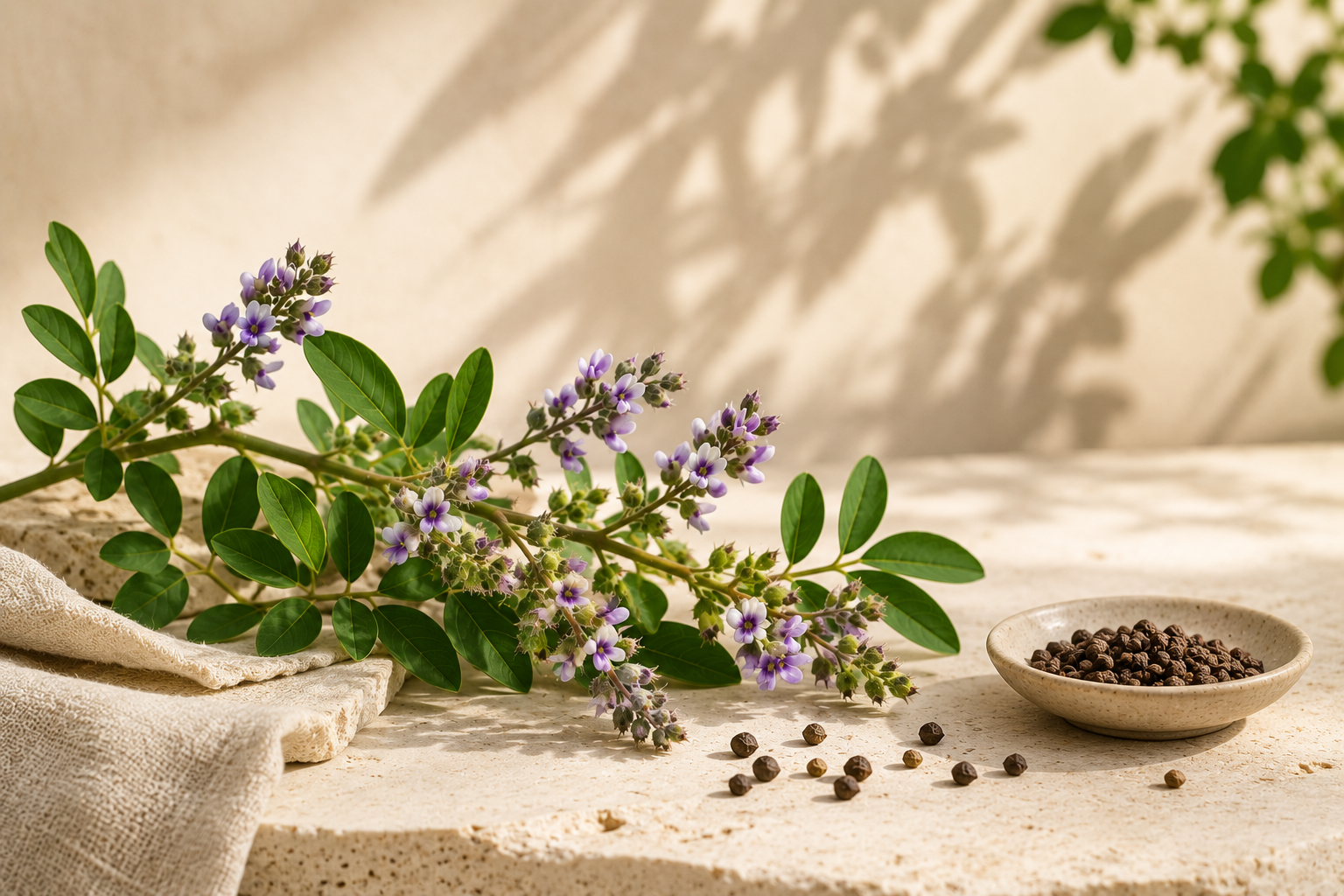
Bakuchiol: Wirkung, Anwendung und Vorteile für die Haut
Bakuchiol hat sich als beliebter Wirkstoff für alle etabliert, die sich eine wirksame und gleichzeitig sanfte Hautpflege wünschen. In diesem Guide erfährst du, was Bakuchiol ist, wie es sich von Re...
Read more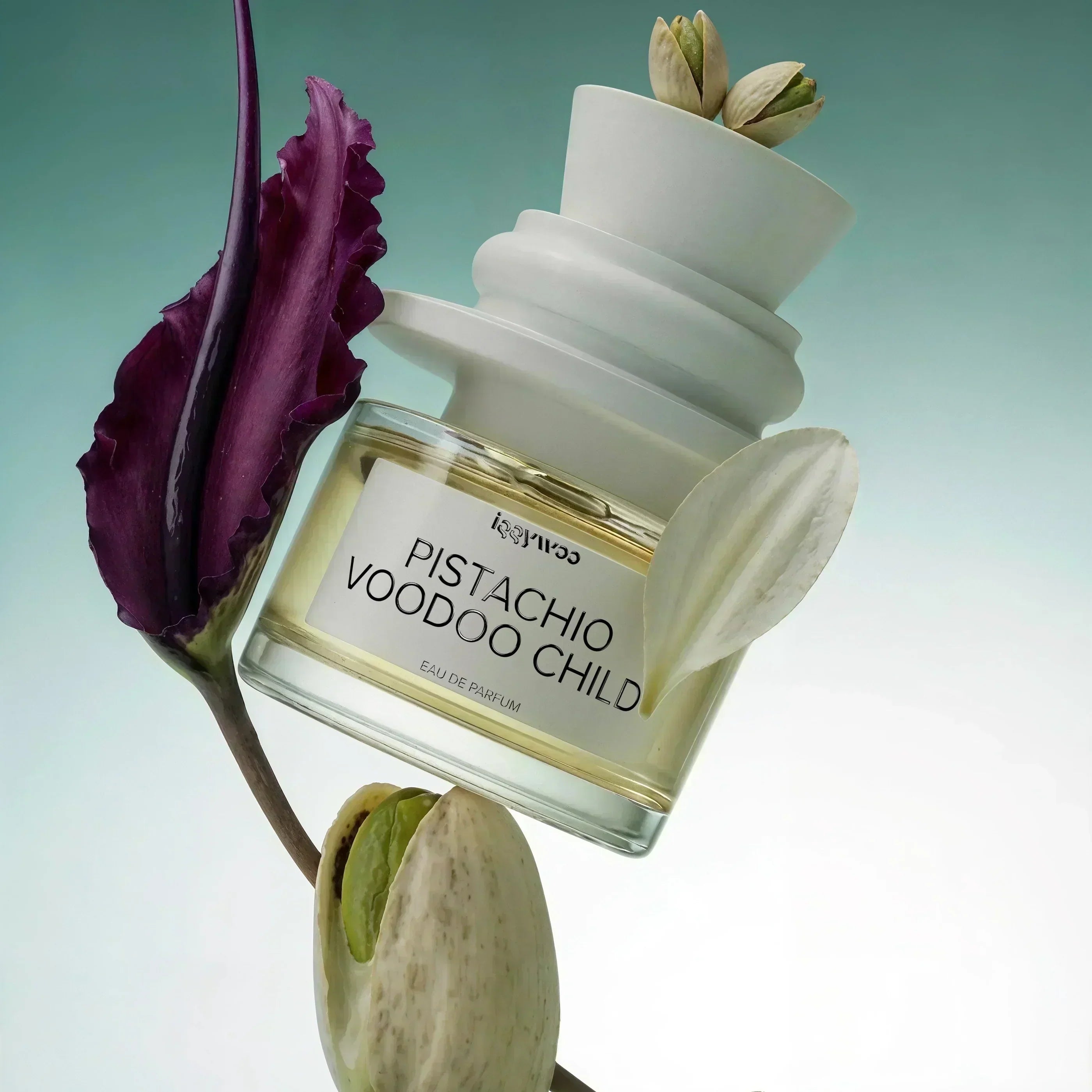
Clean Fragrance erklärt: Was moderne Düfte heute anders machen
Was genau steckt eigentlich in deinem Parfum?Viele Düfte wirken selbstverständlich – doch ihre Zusammensetzung bleibt oft im Verborgenen. Erfahre, was Clean Fragrance bedeutet, wie moderne Düfte fo...
Read more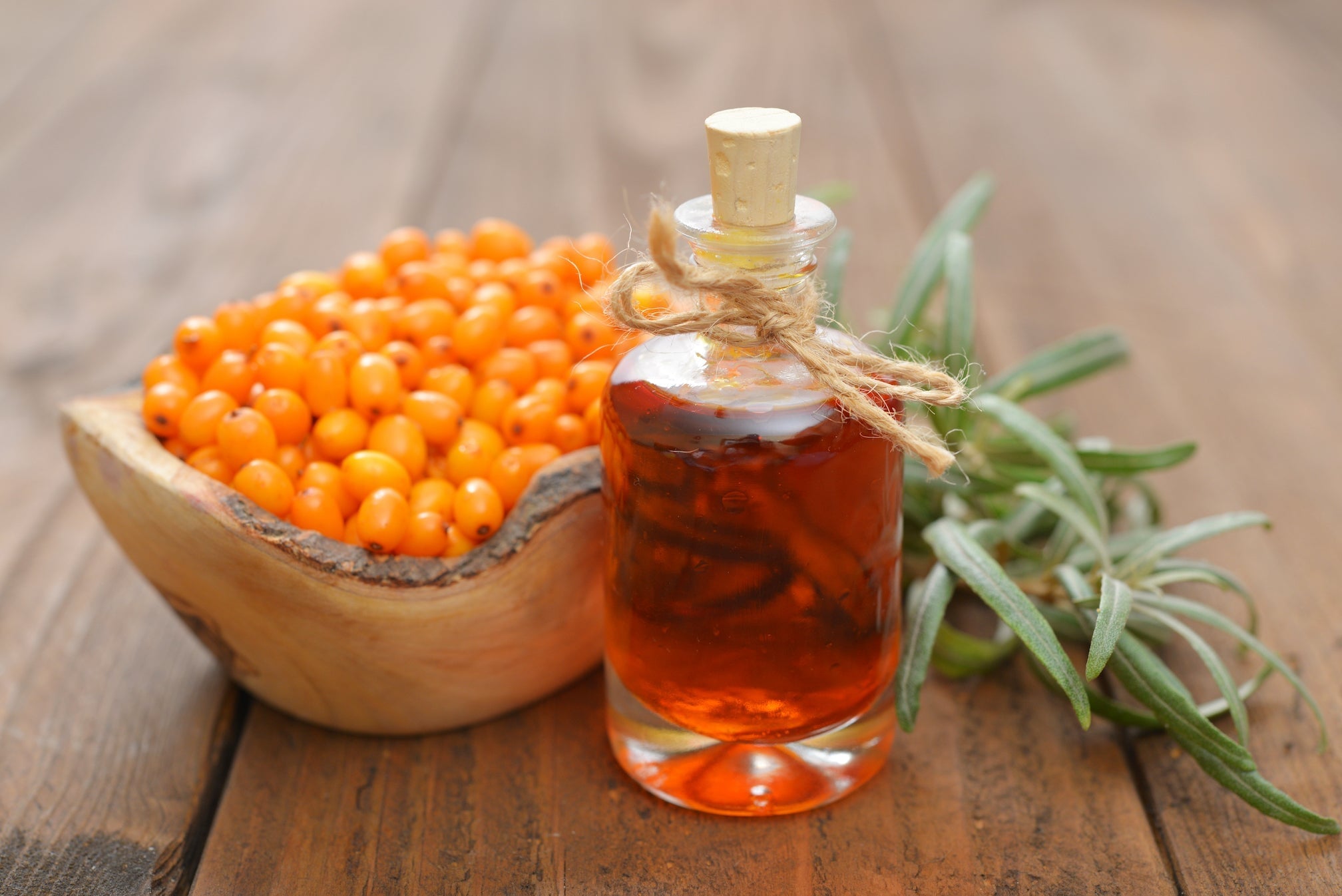
Sea buckthorn seed and sea buckthorn pulp oil
The oil is extracted from the fruit and/or seeds of the sea buckthorn plant. The relatively complex process of planting and harvesting explains the somewhat higher price of products containing...
Read more